Walk down the laxative aisle and you’ll find dozens of products — pills, powders, liquids, suppositories — all promising relief, with labels that don’t always make clear how they’re different from one another.
This guide breaks it down. You’ll learn what a laxative actually is, the five main types and how each one works, how laxatives compare to stool softeners, what to expect on timing and safety, and where natural options fit in.
What Is a Laxative?
“Laxative” is a broad, umbrella term. It covers any product that helps trigger or ease a bowel movement.
That broad definition is part of why the category feels confusing — a fast-acting product that forces the bowel to contract and a slow, gentle fiber supplement can both be labeled “laxative,” even though they work in completely different ways and are meant for different situations.
Understanding which type you’re looking at — and why — makes the whole category much easier to navigate.
How Laxatives Work, in General
Most laxatives work in one of two broad ways:
- They pull water into the colon, making stool softer, bulkier, and easier to pass.
- They stimulate the bowel muscles directly, triggering the contractions that move stool along.
Some types do a bit of both. The type that’s right for a given situation usually comes down to one question: do you need something gentle and gradual, or something fast and strong?
The Five Main Types of Laxatives
Osmotic Laxatives
Osmotic laxatives work by drawing water into the colon from the surrounding tissue. More water in the colon means softer, bulkier stool that moves more easily.
Polyethylene glycol (PEG), lactulose, and magnesium hydroxide (Milk of Magnesia) are common examples. Onset can range from 30 minutes to a few days, depending on the specific product. Staying hydrated matters here — these products are essentially redirecting your body’s own water supply.
Stimulant Laxatives
Stimulant laxatives work differently — they trigger the muscles in the bowel wall to contract directly, pushing stool through the colon.
Senna and bisacodyl are the most common active ingredients in this category. Stimulant laxatives tend to act relatively quickly, often within 6 to 12 hours, and they’re generally positioned for occasional or short-term use rather than an everyday habit. We cover the reasons for that in more detail in Laxative Side Effects: What’s Normal and What to Watch For.
Bulk-Forming Laxatives
Bulk-forming laxatives are fiber supplements — psyllium husk and methylcellulose are the best-known examples. They absorb water and swell in the gut, adding bulk that helps move things along.
These work gradually, over days rather than hours, and they need plenty of water to work properly. Many people think of these less as a “laxative” in the traditional sense and more as a daily fiber habit.
Lubricant Laxatives
Lubricant laxatives, with mineral oil as the main example, coat the stool and the lining of the intestine so everything moves with less friction. Onset is typically 6 to 8 hours.
These are less commonly recommended for regular use today — with ongoing use, mineral oil can interfere with the body’s absorption of certain fat-soluble vitamins.
Saline Laxatives
Saline laxatives — such as sodium phosphate, — work through an osmotic effect, pulling a large amount of water into the colon quickly.
At higher doses they act fast and strongly, and are typically used for occasional situations (sometimes to clear the bowel before a medical procedure) rather than as a regular, ongoing product.
Laxatives vs. Stool Softeners: What’s the Difference?
This is one of the most common points of confusion — and it’s worth getting straight, because the two categories are meant for different situations.
“Laxative” is the umbrella term, and stool softeners are technically one type within it. But in everyday use, “stool softener” usually refers specifically to products that change the consistency of the stool — making it softer and easier to pass — without forcing the bowel muscles to contract the way stimulant laxatives do.
In other words: a stimulant laxative pushes things along. A stool softener makes the eventual bowel movement easier when it happens, without the urgency. For the full breakdown, see Stool Softener vs. Laxative: What’s the Difference?
How Long Do Laxatives Last (and How Long Is It Safe to Take Them)?
Timing varies widely by type — anywhere from 30 minutes (some saline and osmotic products) to several days (bulk-forming fiber).
Safety is more about how often than how fast. Stimulant and saline laxatives are generally meant for occasional use; using them as a daily habit is where most of the concerns in the medical literature come up, including the bowel potentially relying on the stimulant to function over time. Bulk-forming fiber and some osmotic products are more commonly used on a daily basis, often under a provider’s guidance.
If you find yourself needing a laxative every day, that’s worth a closer look — not necessarily because it’s dangerous, but because it’s a signal that something in the bigger picture might benefit from attention. For the full picture, see How Long Do Laxatives Last (and How Long Is Safe to Take)?
Laxative Side Effects
Most laxatives are well tolerated when used as intended, but side effects do vary significantly by type.
Common, generally mild effects:
- Bloating and gas (especially with osmotic and bulk-forming types)
- Cramping (especially with stimulant types)
- Loose stools
What’s worth paying closer attention to:
- Diarrhea that doesn’t improve
- Signs of dehydration or electrolyte imbalance, especially with osmotic or saline products used frequently
- Any sudden, unexpected change in bowel habits
- Blood in the stool — always worth a professional evaluation
If you have existing health conditions or take medications, check with a healthcare provider before starting any new laxative product. For the full breakdown by type, see Laxative Side Effects: What’s Normal and What to Watch For.
When An Herbal Formula Might Be a Better Fit
Not every situation that feels like “I need a laxative” actually calls for one of the five types above. Or maybe you've tried some laxatives and haven't liked the way they felt or the results you've gotten.
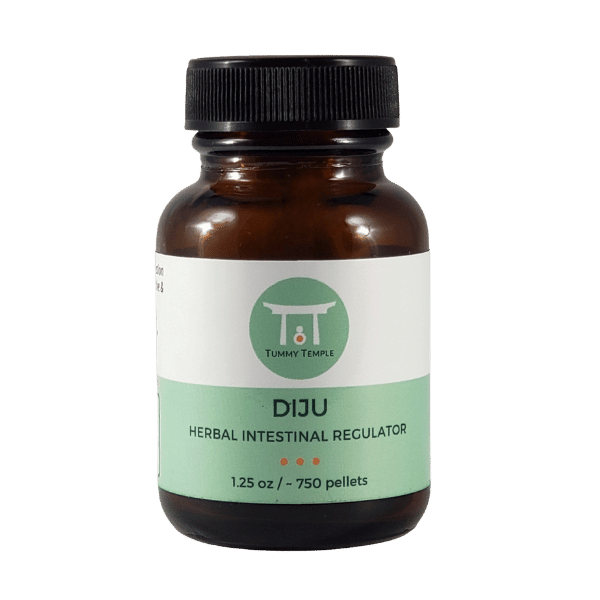
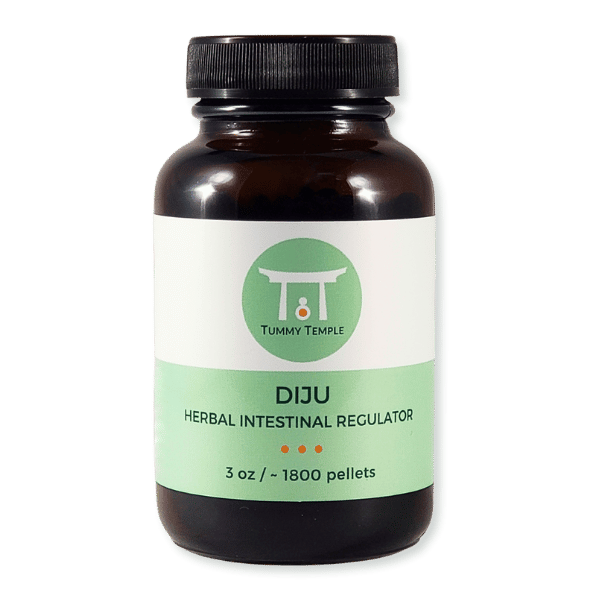
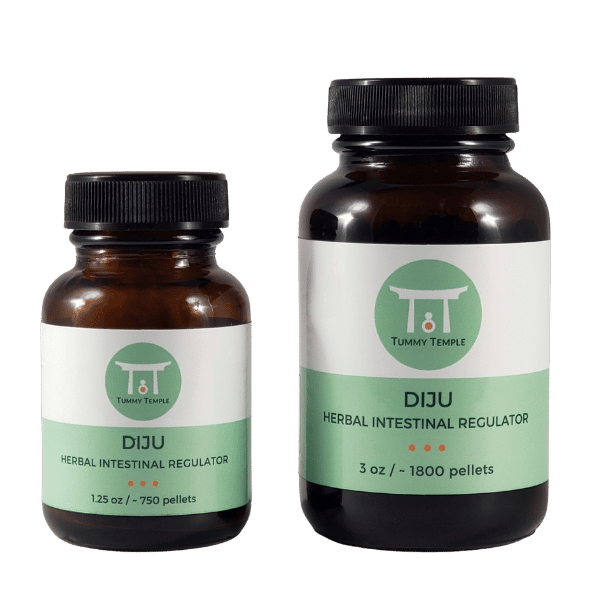
If this is the case, rather than introducing a harsh synthetic ingredient to force a reaction, consider herbal formulas rooted in traditional medicine, along with food- and habit-based approaches that work with the body’s own processes rather than overriding them. Our Diju formula is built around a blend of bitter herbs traditionally used to support the body’s own production of digestive fluids to get things moving. While Diju works in harmony with your body, don't mistake "natural" for "weak." The formula is highly effective, and its strength depends on how much you take. At any dose, it works by optimizing conditions—maximizing digestive fluids, lubricating the GI tract, and mobilizing the colon. At lower doses you soften stool and tone (strengthen) the colon. At higher doses you get the reliable results and clearing power of a stronger laxative, but without damaging your body's natural signals.
When to Talk to a Healthcare Provider
Laxatives are widely available and generally safe for occasional use, but a few situations call for professional input:
- Ongoing difficulty — more than a week or two of hard or infrequent stools with no clear cause
- Needing a laxative every day just to have a comfortable bowel movement
- Sudden changes in your normal bowel habits
- Pain alongside changes in elimination
- Blood in the stool — always worth a professional evaluation
A naturopath, gastroenterologist, or primary care provider can help determine what’s behind the issue and which approach makes sense.
The Bottom Line
“Laxative” covers a wide range of products — from fast-acting stimulant and saline options meant for occasional use, to gentler osmotic and bulk-forming products that can fit into a daily routine. Knowing which type you’re reaching for, and why, makes it much easier to choose well.
If you’re looking for an effective natural product that can be both a gentle support for occasional hard stools as well as a stronger support when you need it, consider a formula like Diju, which work with the body’s own processes rather than overriding them.
To learn more details about the ingredients in Diju read our blog post - What's In Diju?