It sounds simple: a stool softener makes stool softer. But how it does that depends on what’s actually in the bottle — and the mechanism matters more than most labels let on.
Here’s a quick look under the hood.
Why Stool Gets Hard in the First Place
Stool starts out soft and watery as it enters the colon. As it travels through, the colon’s job is to absorb water back into the body — that’s normal and necessary. The problem is when too much water gets pulled out, or stool moves through too slowly, leaving more time for water to be reabsorbed.
The result is stool that’s harder, drier, and tougher to pass. A stool softener’s whole job is to interrupt that process in one way or another.
Three Main Mechanisms
Most stool softeners work in one of a few ways:
Adding moisture from the outside. Emollient softeners (like docusate sodium) act similarly to a mild detergent — they help water and fat mix into the stool itself, rather than staying separate. More moisture in the stool means a softer, easier-to-pass result.
Pulling water in from the body. Osmotic agents work differently — instead of adding moisture directly to the stool, they draw water into the colon from the surrounding tissue. More water in the colon means softer stool and, often, faster results. This is also why staying hydrated matters so much when using these — they’re working with your body’s water supply.
Coating and lubricating. Lubricant-based softeners coat both the stool and the lining of the intestine, so everything moves with less friction and resistance.
A Different Approach: Supporting the Body’s Own Process
There’s a fourth mechanism that works differently from all three above — and it’s the one behind herbal and botanical formulas.
Rather than adding an outside ingredient or redirecting water, certain bitter herbs support the body’s own production of the fluids that naturally soften stool and keep things moving. This is the basis of bitter-herb traditions in Traditional Chinese Medicine, Ayurveda, and Western herbalism — all of which have used bitter botanicals for centuries to support healthy digestion and elimination.
The difference is subtle but important: instead of overriding the body’s process, this approach works with it — encouraging the body to do something it already knows how to do, just more effectively.
Softer ≠ Forced
One more distinction worth understanding: stool softeners change the texture of the stool. They don’t typically force the bowel muscles to contract the way stimulant laxatives do. That’s why stool softeners tend to feel gentler — they’re not creating urgency, they’re just making the eventual bowel movement easier when it happens.
(For a full breakdown of how stool softeners compare to other types of laxatives, see Stool Softener vs. Laxative: What’s the Difference?)
Where Diju Fits
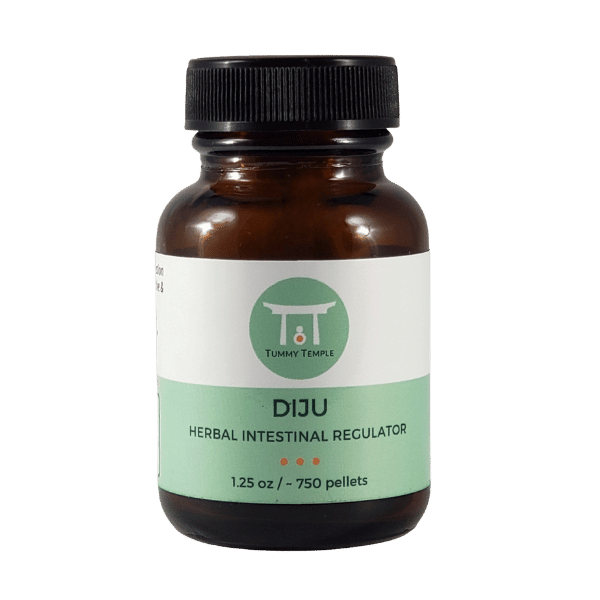
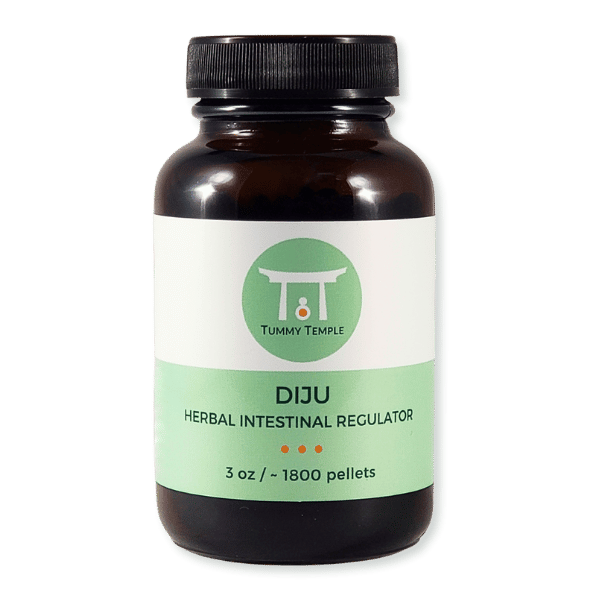
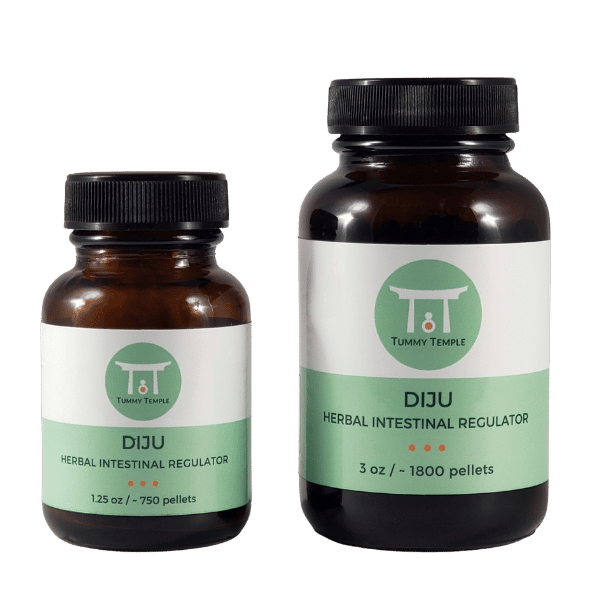
Temple Natural Health’s Diju works through that fourth mechanism above — bitter herbs rooted in Traditional Chinese Medicine that support the body’s own production of digestive fluids, helping soften stool and support comfortable, regular elimination from the inside out. When taken in smaller amounts it works as an effective natural stool softener but when things are stubbornly backed up increasing your intake will produce a stronger response.
For a closer look at Diju’s formula and how it works specifically, see How Diju Works.
The Bottom Line
“Stool softener” isn’t one single mechanism — it’s a category that includes adding moisture, pulling in water, coating the stool, and supporting the body’s own digestive processes. Each approach gets to the same destination — softer, easier-to-pass stool — by a different route.
For the full picture, including timing, side effects, and how stool softeners compare to laxatives, see our Stool Softener Guide.