Stand in the laxative aisle for five minutes and you’ll see “stool softener” and “laxative” used like they mean the same thing. Sometimes the same box says both.
They’re related, but they’re not interchangeable. Knowing the difference helps you pick the right product for what’s actually going on — and avoid one that’s stronger (or weaker) than you need.
The Short Answer
“Laxative” is the umbrella term for anything that helps you have a bowel movement. A stool softener is one type of laxative — a gentler one that works by changing the texture of the stool rather than forcing the bowel into action.
Other types of laxatives work very differently. Some pull water into the colon. Some add bulk. Some trigger the bowel muscles directly. All of them fall under the “laxative” umbrella, but they don’t all feel the same — and they don’t all belong in the same situation.
How a Stool Softener Works
A stool softener’s job is simple: make the stool softer and easier to pass, without changing how hard the bowel has to work.
Most stool softeners do this by adding moisture to the stool, helping water and fat blend into it, or supporting the body’s own processes that keep things moving comfortably. The result is a softer, easier-to-pass stool — not a sudden urge to go.
This is the gentlest end of the laxative spectrum. (For a full breakdown of how stool softeners work and the different types available, see our Stool Softener Guide.)
The Other Types of Laxatives
Here’s where things get more varied. “Laxative” covers several approaches, each with its own mechanism, speed, and intensity.
Stimulant Laxatives
These work by triggering the muscles in the intestinal wall to contract, pushing stool through faster. They’re often the strongest and fastest-acting option — but that strength comes with a tradeoff.
- Onset: Often 6 to 12 hours
- What it feels like: Can cause cramping or urgency
- Best for: Occasional, short-term use when you need things to move
- Harmful side effects: Cramping, diarrhea, and electrolyte imbalances with frequent or long-term use
- Popular stimulant laxatives: Dulcolax, Senokot, Ex-Lax
Osmotic Laxatives
Osmotic laxatives pull water into the colon from the surrounding tissue. More water in the colon means softer stool and more frequent movements.
- Onset: As fast as 30 minutes, up to a few hours
- What it feels like: Generally gentle, but can cause bloating if you’re not drinking enough water
- Best for: Faster relief without the harshness of a stimulant
- Harmful side effects: Bloating, gas, and dehydration if water intake isn’t increased
- Popular osmotic laxatives: Miralax, Milk of Magnesia, Lactulose
Bulk-Forming Laxatives (Fiber Supplements)
These add bulk to the stool, which helps it move through the colon more easily and encourages more regular bowel movements over time.
- Onset: Days, not hours
- What it feels like: Gentle and gradual — needs plenty of water to work properly
- Best for: Long-term, everyday support for regularity
- Harmful side effects: Bloating, gas, and stomach discomfort if you don’t drink enough water alongside it
- Popular bulk-forming laxatives: Metamucil, Citrucel, Benefiber
Lubricant Laxatives
Less common today, these coat the stool and the intestinal lining so everything passes with less resistance. Onset is typically 6 to 8 hours.
Stool Softener vs. Laxative: Side by Side
Here’s the practical difference in plain terms:
- Speed: Stool softeners and bulk-forming fiber work gradually. Stimulant and osmotic laxatives tend to act faster.
- Intensity: Stool softeners change the texture of the stool. Stimulant laxatives change how hard your bowel works. That’s a meaningfully different experience.
- Comfort: Stool softeners are designed to avoid cramping and urgency. Stronger laxatives can cause both.
- Use case: Stool softeners are often the first thing to try for hard, dry, or difficult-to-pass stools. Stronger laxatives are typically reserved for when a softener alone isn’t enough, or for occasional, short-term situations.
Which One Do You Need?
Ask yourself one question: do you need something gentle that works with your body, or something stronger that works fast?
If your stool is just harder or drier than usual — and bowel movements feel like more effort than they should — a stool softener is usually the right place to start. It’s the gentlest option, and for many people, it’s enough.
If you need faster relief, or a softener alone isn’t cutting it, an osmotic laxative is often the next step up. Stimulant laxatives are best saved for occasional use rather than a daily habit.
Bulk-forming fiber supplements work well as an everyday foundation — but because they take days to build an effect, they’re not the answer for relief you need today.
Where an Herbal Formula Fits In
Herbal formulas are a category of their own, with roots in Traditional Chinese Medicine, Ayurveda, and Western herbalism. Bitter herbs have been used for centuries to support the body’s own digestive processes — helping it produce the fluids that soften stool naturally, rather than introducing a synthetic ingredient from the outside.
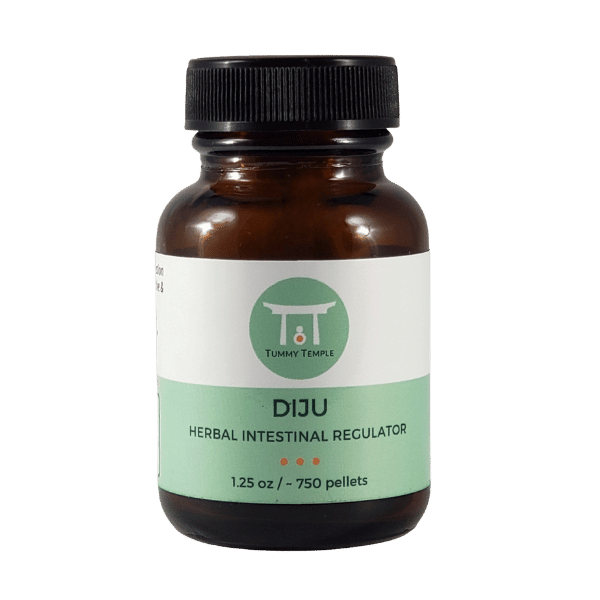
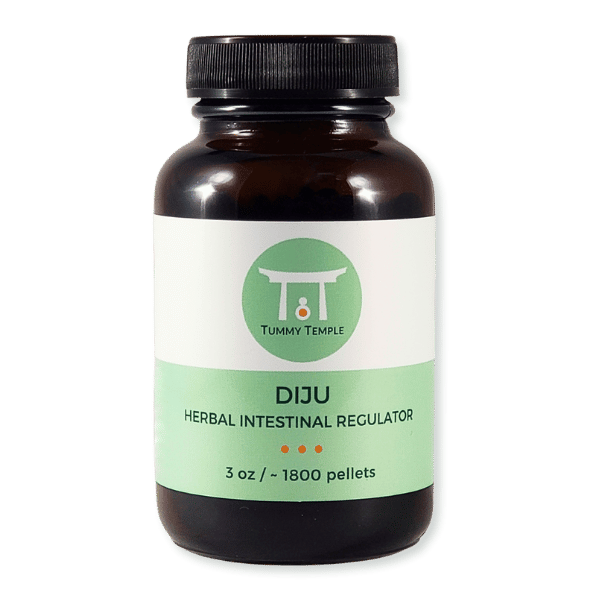
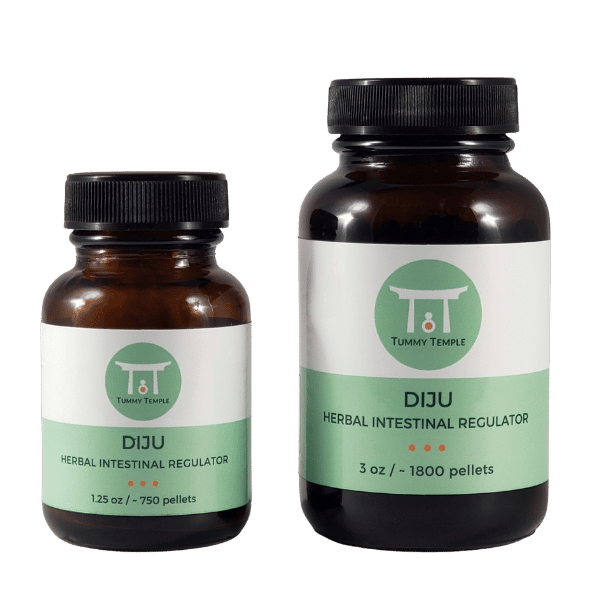
Diju is Temple Natural Health’s natural herbal formula, built on Traditional Chinese Medicine and refined over more than 25 years of naturopathic clinical practice. It’s designed for people who want an effective, herbal option that supports comfortable, regular elimination — and many people find it relieves occasional constipation more effectively than a stool softener but without the harshness of a stimulant laxative.
Because it’s a botanical formula, the serving size can be adjusted to fit what your body needs — for daily support a smaller amount will act to astringe (tighten) and tone (strengthen) the intestinal walls, for extra help when you really need it a larger amount will accelerate bowel function and create a 'push' to support a faster clearing of the colon.
The Bottom Line
“Laxative” is the umbrella term, and “stool softener” is the gentlest branch of it. If you’re dealing with hard or infrequent stools, a stool softener — including herbal formulas like Diju — is usually the right first step. If you need something stronger you can increase your dosage of Diju or try a more traditional stimulant laxative.
For more on how stool softeners work, the different types, and what to expect, see our Stool Softener Guide.