Trying something new for the first time and wondering what to expect is completely normal — especially when it comes to anything that affects digestion.
The good news: stool softeners are generally well tolerated, and most side effects are mild and temporary. Here’s what’s normal, what’s worth keeping an eye on, and how this varies by type.
What Counts as “Normal”?
When you start any new stool softener, your body needs a little time to adjust. A few effects are common and usually nothing to worry about:
- Looser stools than usual — often a sign the dose is slightly more than your body needs right now
- Mild abdominal cramping, especially in the first few days
- More frequent bowel movements as things start moving more easily
These tend to settle down within a few days as your body adjusts, or once you find the right amount for you. If something feels off, it’s reasonable to scale back the amount and see how you feel.
Side Effects by Type
Different types of stool softeners and laxatives come with different side-effect profiles. Here’s a general breakdown:
Emollient Softeners (like docusate sodium)
Generally the gentlest of the OTC options. Most people tolerate these well, with occasional mild cramping or loose stools as the most common complaints.
Osmotic Agents
Because these work by pulling water into the colon, the most common side effects are bloating and gas — especially if you’re not drinking enough water alongside them. In some cases, taking too much can lead to dehydration, since the product is essentially redirecting your body’s water.
Bulk-Forming Fiber Supplements
Gas and bloating are common, particularly in the first week or two as your gut adjusts to more fiber. This usually improves with time. The biggest pitfall is not drinking enough water — without it, fiber supplements can make things feel worse rather than better.
Lubricant Softeners
Generally well tolerated short-term. With regular, ongoing use, mineral oil–based products can interfere with the absorption of fat-soluble vitamins (A, D, E, and K) — one of the reasons they’re less commonly recommended today than they once were.
Stimulant Laxatives
These tend to have the most noticeable side effects: cramping, urgency, and sometimes diarrhea. They’re generally meant for occasional use rather than a daily habit — see the dependency question below.
Herbal and Botanical Formulas
Side effects vary by formula and by individual. As with anything new, it’s worth paying attention to how your body responds, especially in the first few days.
The Dependency Question
This is one of the most common concerns people have, and it’s a fair one to ask about any product used regularly.
The honest answer: it depends on the type, and on how it’s used. Products that work by changing the texture of the stool (like emollient softeners) generally have a different profile than products that work by triggering the bowel to contract (stimulant laxatives), where there’s more discussion in the medical literature about the bowel “needing” the stimulant over time with frequent, long-term use.
That said, any product used as a daily long-term habit — without addressing why things aren’t moving on their own — is worth a conversation with a healthcare provider. The goal of any of these products, gentle or not, should be to support your body’s normal rhythm, not to replace it indefinitely without ever asking why support is needed in the first place.
When to Pay Closer Attention
Most of the time, side effects are mild and short-lived. A few things are worth paying more attention to:
- Diarrhea that doesn’t improve after reducing the dose
- Significant cramping or bloating that doesn’t ease up
- Any sudden, unexpected change in your bowel habits after starting something new
- Blood in the stool — this is always worth a professional evaluation, regardless of what else is going on
If you have existing health conditions or take medications, it’s worth checking with a healthcare provider before starting any new supplement — stool softeners included.
Where Diju Fits
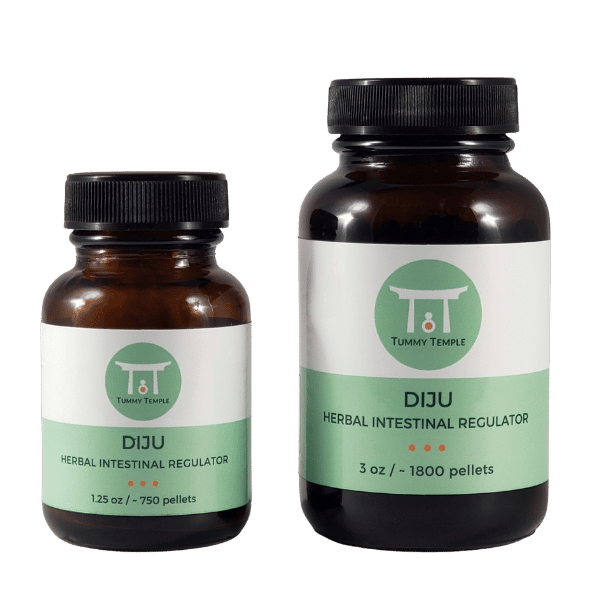
Diju is Temple Natural Health’s natural stool softener, formulated from bitter herbs with roots in Traditional Chinese Medicine. The serving size is flexible by design, which makes it easier to find the amount that works for you without over or under doing it. Some people prefer to start with a smaller initial amount and adjust up, while others choose to start with a larger dose and decrease if needed. As with any product in this category, occasional loose stools or mild cramping in the first few days can be a sign to scale back slightly.
The Bottom Line
Most stool softener side effects are mild — loose stools, occasional cramping, more frequent bowel movements — and tend to ease up within a few days. The type matters: gentler formulas generally have gentler side-effect profiles, while stronger stimulant laxatives come with a more noticeable experience and more discussion around long-term use.
Pay attention to how your body responds, and check in with a healthcare provider if anything persists or feels significant. For more on the different types of stool softeners and how they compare, see our Stool Softener Guide.