Hard stools are uncomfortable. Difficult bowel movements are frustrating and shopping for relief is confusing — there are dozens of products, and the labels don’t always explain much.
This guide covers what you need to know. You’ll learn what stool softeners are, how the different types work, what to expect on timing, whether daily use is safe, and where natural and herbal options fit in.
What Is a Stool Softener?
A stool softener makes stool softer and easier to pass.
Most stool softeners work by adding moisture to stool, reducing its surface tension, or supporting the body’s natural processes that keep elimination comfortable. The result is softer stool that passes with less straining.
Stool softeners are often confused with laxatives. They’re related — but not the same thing. We’ll break down that difference below.
How Stool Softeners Work
Stool becomes hard when too much water gets absorbed from it as it moves through the colon. Less moisture means harder, drier stool that’s tougher to pass.
Stool softeners address this in a few ways:
- Adding water to the stool to make it softer and bulkier
- Coating the stool so it moves through the intestine with less resistance
- Supporting the body’s own secretions that help lubricate and move stool along
The gentler types work gradually. They don’t force the bowel to contract. That’s the key difference from stimulant laxatives.
For a closer look at the mechanisms behind each approach, see How Stool Softeners Work.
The Main Types of Stool Softeners
“Stool softener” covers several distinct approaches. Each one works differently.
Emollient Stool Softeners
These are the most common over-the-counter stool softeners. Docusate sodium is the main example.
They act like a mild detergent. They help water and fat blend into the stool, making it softer and easier to pass. They’re non-stimulating and widely available without a prescription.
Typical onset is 12 to 72 hours. They’re a common choice after surgery or for anyone who needs to avoid straining.
Osmotic Agents
Osmotic agents pull water into the colon from surrounding tissue. More water means softer, easier-to-pass stool.
Polyethylene glycol (PEG), lactulose, and magnesium-based products fall into this group. They tend to work faster than emollient types. Staying well hydrated is important — they work by redistributing your body’s water.
Bulk-Forming Agents
Psyllium husk, methylcellulose, and similar fiber supplements absorb water and swell in the gut. That added bulk softens stool and encourages more regular bowel movements over time.
These work slowly — over days rather than hours. They also need plenty of water to work properly. Taking them without enough fluid can make things worse.
Lubricant Stool Softeners
Mineral oil is the main example. It coats the stool and the intestinal lining so stool passes with less resistance.
Lubricant types are less commonly recommended today. Mineral oil can interfere with fat-soluble vitamin absorption with regular use.
Herbal Stool Softeners
This is a separate category with a long history.
Certain herbs support the body’s own production of digestive fluids. Those fluids play a key role in breaking down food and keeping stool soft enough to pass comfortably. When the body produces enough of them, elimination tends to be easier and more regular.
Bitter herbs have been used in Chinese medicine, Ayurveda, and Western herbalism for centuries to support healthy elimination. This approach works differently from adding a synthetic surfactant or pulling water osmotically. It works with the body’s own biology.
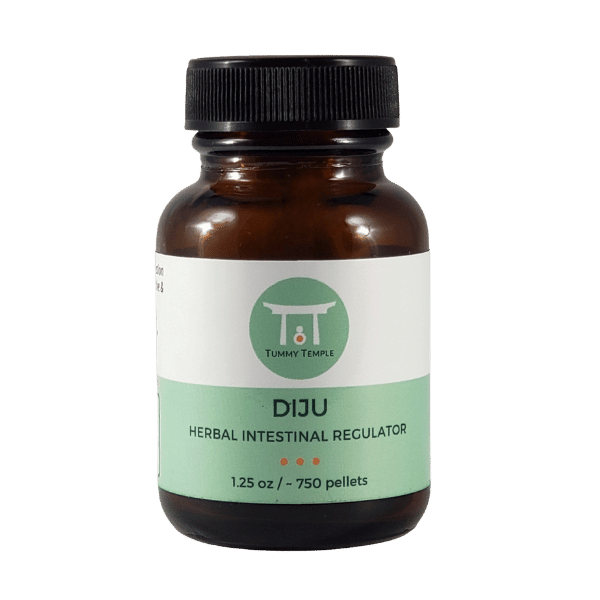
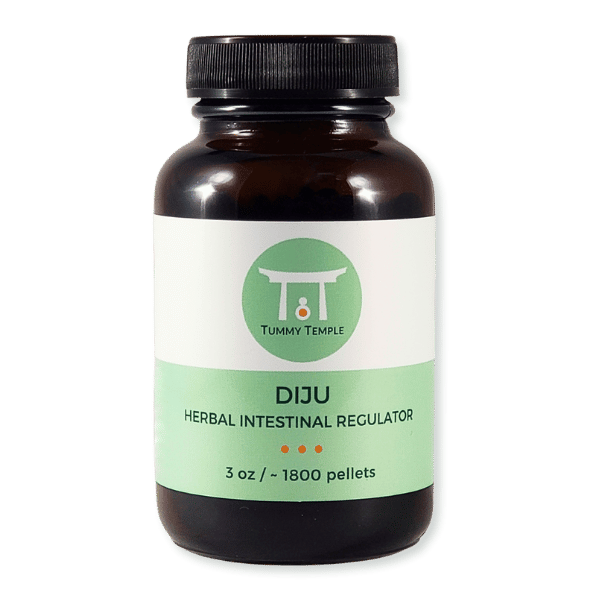
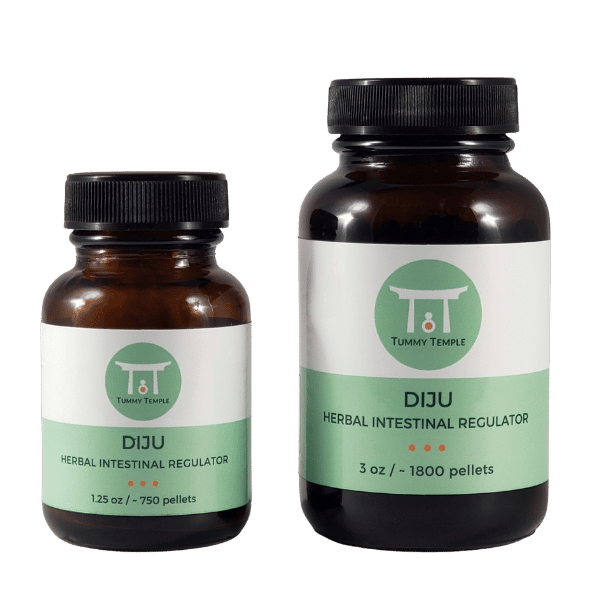
Diju is Temple Natural Health's most popular herbal formula that is more effective than a typical stool softener but without the harshness of a stimulant laxative.
It’s a Traditional Chinese Medicine–rooted formula developed through more than 25 years of naturopathic clinical practice at Temple Natural Health. More on Diju below — including How Diju Works and What’s In Diju?.
Stool Softener vs. Laxative: What’s the Difference?
“Laxative” is the umbrella term. Stool softeners are one type within it.
When most people hear “laxative,” they picture stimulant laxatives — products that trigger muscle contractions in the bowel to push stool out. They’re fast and strong. They can also cause cramping and urgency.
Stool softeners work differently. They change the consistency of the stool rather than forcing the bowel to work harder. For occasional hard stools or difficult bowel movements, many people find them more comfortable.
The practical question is simple: do you need fast, strong action — or something gentler that works with your body?
For a full side-by-side comparison of these two categories, see Stool Softener vs. Laxative: What’s the Difference?.
How Long Does a Stool Softener Take to Work?
It depends on the type. Here are general ranges:
- Emollient softeners (docusate): 12 to 72 hours
- Osmotic agents: 30 minutes to 24 hours
- Bulk-forming agents: 12 to 72 hours for initial effect; several days for full effect
- Lubricant softeners: 6 to 8 hours
- Herbal formulas: 12 to 48 hours. Results typically build over the first few days as the body responds to consistent use.
A few things affect timing across all types:
- Hydration — stool softeners work better when you drink enough water
- Food — some work faster on an empty stomach
- How much stool is already present in the colon
- Your individual gut transit speed
For a more detailed timing breakdown by type — plus what to do if nothing seems to be happening — see How Long Does a Stool Softener Take to Work?.
Can You Take a Stool Softener Every Day?
For most people, short-term use is the standard recommendation for OTC stool softeners.
Emollient softeners like docusate are commonly used for a few days to a few weeks — after surgery, during periods of reduced activity, or when diet and hydration changes alone aren’t enough. Long-term daily use of any stool softener is worth a conversation with a healthcare provider.
Dependency risk varies by product type. Products that support the body’s natural processes generally have a different profile than those that force bowel contractions. But any ongoing daily use warrants professional guidance — not just because of dependency, but to address why things aren’t moving in the first place.
For a closer look at short-term vs. longer-term use, see Can You Take a Stool Softener Every Day?.
Stool Softener Side Effects
Most stool softeners are well tolerated. When side effects occur, they’re usually mild.
Common, expected effects:
- Loose stools (often a sign the dose is slightly high)
- Mild abdominal cramping
- More frequent bowel movements
What to watch for:
- Diarrhea that persists after reducing the dose
- Significant cramping or bloating
- Any unexpected changes after starting a new product
If you have existing health conditions or take medications, check with a healthcare provider before starting any new supplement.
For a full breakdown of what’s normal and what’s worth watching for, see Stool Softener Side Effects: What to Watch For.
Natural Stool Softeners: Foods, Habits, and Herbal Support
Before reaching for any product, simple changes sometimes make a real difference.
Foods that support comfortable elimination:
- Prunes and prune juice — one of the most well-researched foods for supporting regular bowel movements
- Kiwi — rich in fiber and an enzyme called actinidin that supports gut motility
- Pears — high in sorbitol, which draws water into the colon naturally
- Flaxseed — soluble fiber that adds both bulk and softness to stool
- Leafy greens — a good source of magnesium, which supports muscle function throughout the digestive tract
Habits that help:
- Drinking enough water throughout the day — especially if you’re increasing fiber intake
- Regular physical movement
- Responding to the urge to go when it comes, rather than holding it
Herbal support:
Traditional herbal medicine has a long history of supporting healthy elimination. Bitter herbs have been central to that tradition — in Chinese medicine, Ayurvedic practice, and Western herbalism alike.
Diju is Temple Natural Health’s herbal stool softener. It’s rooted in Traditional Chinese Medicine and shaped by more than 25 years of naturopathic clinical practice. The formula works by supporting the body’s natural production of digestive fluids — the internal process that helps soften stool and keep daily elimination comfortable. For people who want an effective, natural approach, it’s the formula TNH naturopathic practitioners have worked with for over 25 years.
Diju is designed for flexible, regular use. The serving can be adjusted based on individual needs — smaller amounts for gentle daily support, more when additional support is needed. A naturopath can help you find the right approach for your body and goals.
To see exactly what’s in the formula and how it works, see What’s In Diju? and How Diju Works. For the full guide to foods, habits, and herbal options for comfortable elimination, see Natural Stool Softeners: Foods, Habits & Herbal Options.
When to Talk to a Healthcare Provider
Stool softeners are widely available and safe for most people in the short term. A few situations call for professional input:
- Ongoing difficulty — more than a week or two of hard or infrequent stools with no clear cause
- Sudden changes — any significant shift in your normal bowel habits
- Pain — abdominal discomfort alongside changes in elimination
- Blood in stool — always worth a professional evaluation
A naturopath, gastroenterologist, or primary care provider can help determine whether you’re dealing with a short-term issue or something worth a closer look.
The Bottom Line
Stool softeners cover a wide range of approaches — from OTC emollient products and fiber supplements to herbal formulas rooted in traditional medicine. Understanding how each type works makes it easier to choose the right fit.
If you want a natural option, herbal stool softeners have a long history of clinical use. Diju is Temple Natural Health’s formula designed for people who want effective support for comfortable elimination.