If you’ve found something that works, it’s natural to wonder: can I just keep taking this every day?
The answer depends a lot on what “this” is. Some types of stool softeners are designed to be part of a daily routine. Others are meant for shorter stretches. Here’s how to tell the difference — and why the bigger question isn’t really “can I,” but “why do I need to.”
The Short Answer
Some products are built for daily, ongoing use as part of a normal routine. Others are designed for short-term situations — a few days to a couple of weeks — and aren’t intended as a long-term daily habit.
Knowing which category your product falls into makes a real difference in how to use it.
Built for Daily Use
A few categories are designed with regular, everyday use in mind:
- Hydration, food, and movement. These aren’t products, but they’re the daily foundation everything else sits on top of — and there’s no upper limit on “too much” water or too many vegetables (within reason).
- Bulk-forming fiber supplements. These work gradually and are often recommended as a daily addition to your routine, similar to how you’d think about getting enough fiber from food. They’re not a “take it and forget it” fix — they’re a daily habit, by design.
- Herbal and botanical formulas. Many herbal stool softeners are formulated for regular use, working with the body’s own processes rather than overriding them. Because they tend to work gradually, consistency matters more than any single dose.
Better Saved for Occasional Use
Other types are designed more for shorter stretches or occasional situations:
- Stimulant laxatives. These are generally recommended for short-term or occasional use — not as a daily habit. Using them every day can lead to the bowel relying on the stimulant to function, which is part of why they’re positioned as an occasional tool rather than a daily one.
- Emollient softeners (like docusate). Often used for a few days to a few weeks — after surgery, during a period of reduced activity, or while other changes (diet, hydration) take effect. Long-term daily use is something to discuss with a healthcare provider rather than assume is fine indefinitely.
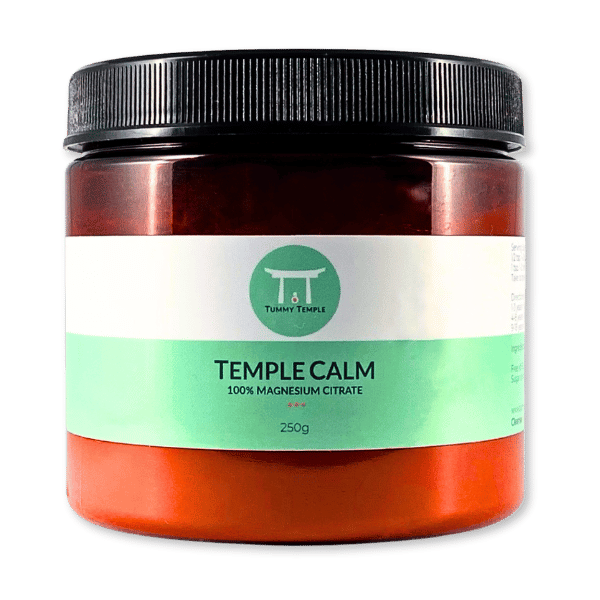
- Osmotic agents. Some people use these regularly under a provider’s guidance, but they’re not automatically a “set it and forget it” daily product either — ongoing use is worth checking in about.
The Bigger Question: Why Every Day?
Here’s the thing worth sitting with: if you find that you need something every single day just to have a comfortable bowel movement, that’s worth understanding — not because it’s necessarily alarming, but because “every day” is a signal that something in the bigger picture (diet, hydration, movement, stress, routine) might be worth a closer look.
For some people, a daily gentle formula is simply part of their routine, the same way a daily multivitamin is — a steady layer of support, not a sign anything is wrong. For others, needing something every day is the body asking for more foundational support: more water, more fiber, more movement, or a look at what’s changed.
Either way, if daily use continues for more than a few weeks and you’re not sure why, that’s a reasonable thing to bring up with a healthcare provider — not because daily use itself is dangerous, but because they can help you understand the “why” behind it.
Where Diju Fits
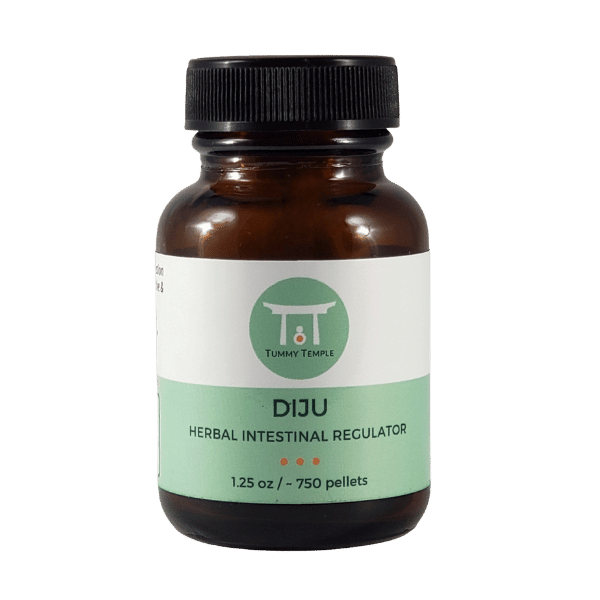
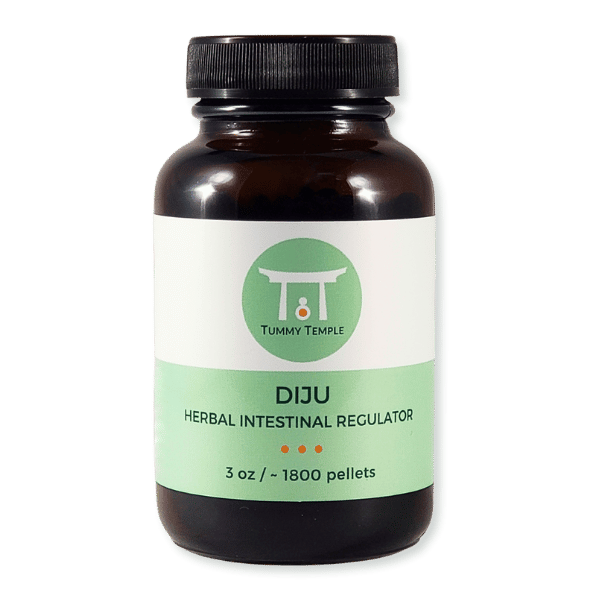
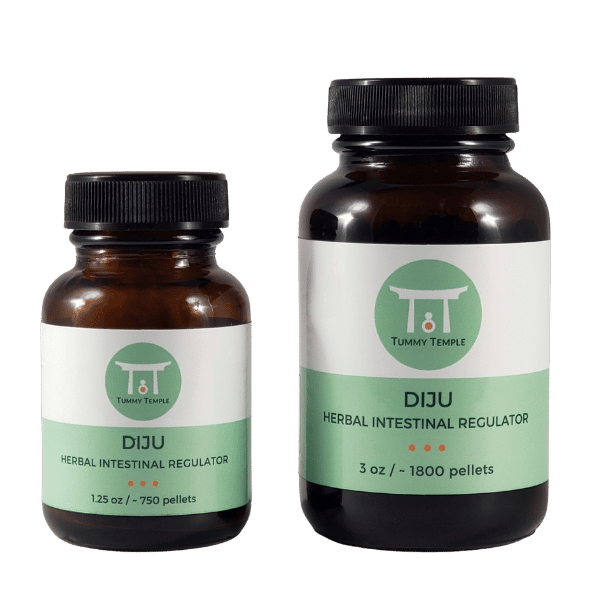
Diju is Temple Natural Health’s natural stool softener, and it’s designed for flexible, regular use — not a short-term fix. The serving size can be adjusted based on what your body needs on a given day: a smaller amount for daily support, more when extra support is helpful.
Because it’s an herbal formula that works with your body, many people find it fits naturally into a daily routine, similar to how you might think about a daily fiber habit. As always, if you have questions about what’s right for your situation, a naturopath or healthcare provider can help you find the approach that fits.
The Bottom Line
Whether a stool softener is appropriate for daily use depends on the type. Fiber-based and herbal formulas are often designed with daily, ongoing use in mind. Stimulant laxatives and some OTC softeners are generally better suited to shorter stretches.
If you’re reaching for something every day, it’s worth asking why — and whether a daily-friendly option, paired with the foundational habits that support regularity, might serve you better long-term. For more on the different types of stool softeners and how they compare, see our Stool Softener Guide.