Of all the levers you can pull to support regular, comfortable elimination, what you eat is one of the most direct. Not because diet is the only factor — stress, hydration, movement, and routine all play a role — but because food is something you choose three times a day, which means it offers three opportunities to either support your gut or work against it.
The good news is that the shift doesn't have to be dramatic. Adding a handful of fiber-rich foods while cutting back on a few common culprits tends to make a noticeable difference for most people within a week or two.
Foods That Support Healthy Elimination
Prunes and Dried Figs
Prunes have a well-deserved reputation here, and it's backed by research. They're high in fiber, but what really sets them apart is sorbitol — a naturally occurring sugar alcohol that draws water into the colon. Dried figs offer a similar combination of fiber and gentle osmotic effect. A small serving of either — four to six prunes, or a few dried figs — can be enough to make a difference, especially eaten consistently rather than all at once.
Kiwi
Kiwi is one of the more underrated gut-support foods. It's high in fiber, but it also contains actinidin, an enzyme that supports protein digestion and appears to speed up gastric emptying and transit. Two kiwis a day — green or gold — is the amount most commonly studied. It's mild, it's pleasant, and it tends to work gradually rather than urgently.
Pears, Apples, and Berries
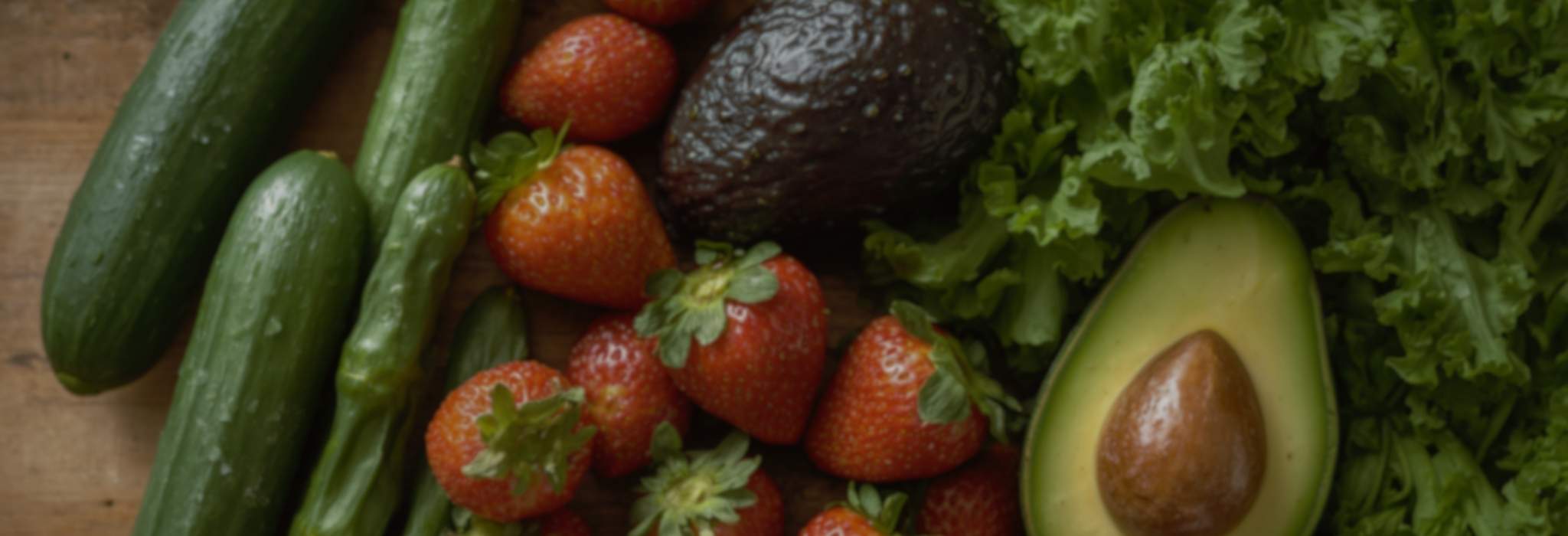
These fruits combine two types of fiber: soluble fiber (including pectin, which forms a gel in the colon and helps soften stool) and insoluble fiber (which adds bulk and speeds transit). Eating them with the skin on delivers the most fiber. Applesauce and peeled pears are easier to digest but lose most of the insoluble fiber in the process.
Leafy Greens
Spinach, kale, Swiss chard, and similar greens offer a useful double: fiber and magnesium. Most people don't get enough magnesium from food, and leafy greens are one of the better dietary sources. Cooked greens are easier to eat in quantity than raw, though both count.
Flaxseed and Chia Seeds
Both are rich in soluble fiber that absorbs water and forms a gel — which helps soften stool and makes it easier to pass. Ground flaxseed mixes easily into oatmeal, yogurt, or smoothies. Chia seeds expand significantly when soaked, so drinking plenty of water alongside them matters. A tablespoon or two a day is a common starting point for either.
Legumes
Beans, lentils, chickpeas, and split peas are among the highest-fiber foods available. A half cup of cooked lentils has roughly eight grams of fiber — nearly a third of the daily target. They also contain a mix of soluble and insoluble fiber, which makes them broadly useful for gut function. If legumes tend to cause gas, gradually increasing the amount you eat (rather than adding a large serving all at once) gives the gut microbiome time to adapt.
Whole Grains
Oats, whole wheat bread, quinoa, and barley all contribute meaningful fiber, particularly the insoluble type that adds bulk and shortens transit time. Oats also contain beta-glucan, a soluble fiber with additional gut-health benefits. The swap from refined grains (white bread, white rice, standard pasta) to whole-grain versions is one of the highest-leverage single dietary changes for elimination.
Fermented Foods
Yogurt, kefir, kimchi, sauerkraut, and miso introduce beneficial bacteria to the gut — and a well-balanced microbiome is increasingly linked to regular transit. These foods work differently than fiber: rather than adding bulk or drawing water, they support the microbial environment that influences gut motility. For people whose elimination issues are tied to disrupted gut flora (after antibiotics, for instance), fermented foods can be especially helpful.
Coffee
It's worth mentioning because it genuinely works for many people: coffee stimulates colonic muscle activity, often within 20 minutes of the first cup. This appears to be only partially related to caffeine — decaf has a similar (if slightly weaker) effect. The morning ritual of a warm drink does seem to matter, though coffee tends to be the most reliably effective. For those who don't drink coffee, warm water or herbal tea in the morning has a milder but similar effect for many people.
The Water Factor
Fiber without adequate water can actually make constipation worse. Fiber absorbs water as part of how it works — and if there isn't enough fluid in the colon, it can make stool firmer rather than softer. The general guidance is 8 or more cups of fluid per day, with more needed in hot weather or during exercise. For more on what to drink (and what helps beyond plain water), Drinks That Support Healthy Bowel Function covers this in detail.
Foods That Can Slow Things Down
Just as some foods support transit, others tend to work against it — either because they're low in fiber, because they slow digestion, or because they contribute to dehydration.
Processed and Refined Foods
White bread, crackers, chips, cookies, and most packaged snack foods are typically very low in fiber and high in refined carbohydrates. They move quickly through the stomach but slowly through the colon. Diets dominated by these foods tend to produce slow, hard-to-pass stool.
Dairy & Gluten (for Some People)
Dairy & gluten aren't universally constipating, but for people who are sensitive to them or who eat large amounts, they can slow transit. If you notice a consistent pattern, it's worth experimenting with temporarily reducing dairy or gluten to see whether it makes a difference.
Red Meat
Red meat contains zero fiber and is high in fat, both of which contribute to slower digestion. It's not that meat is inherently problematic, but when it crowds out higher-fiber foods, the net effect on elimination tends to be negative. The pattern of a steak dinner followed by a sluggish next morning is familiar to a lot of people for this reason.
Fried and High-Fat Foods
Fat slows gastric emptying — meaning food stays in the stomach longer before moving into the intestine. High-fat meals can noticeably slow transit, especially when the fat comes without fiber (as it does in most fried foods). This doesn't mean avoiding fat entirely; it's more about balance and the overall fiber context of a meal.
Alcohol
Alcohol has a diuretic effect, drawing water out of the body and away from the colon. It can also interfere with sleep, which affects gut function. The morning-after sluggishness that follows a night of drinking isn't always just tired — it often involves a genuinely dehydrated colon.
Unripe Bananas
Ripe bananas are mildly helpful for most people. Unripe (green) bananas are a different story — they're high in resistant starch and tannins, both of which can have a binding effect. If you like bananas, letting them ripen to the point of yellow with some spots is worth the extra day of waiting.
Putting It Together
You don't need to overhaul your diet all at once. A more practical approach is to identify the two or three biggest gaps — maybe you're not eating much fiber, or you're going heavy on processed foods and dairy — and start there. Adding one high-fiber food per meal while reducing one low-fiber staple tends to produce results without requiring a complete dietary reset.
Consistency matters more than perfection. A daily handful of prunes and a serving of legumes will do more over time than a dramatic fiber binge one day followed by a return to old habits the next.
Where an Herbal Option Fits In
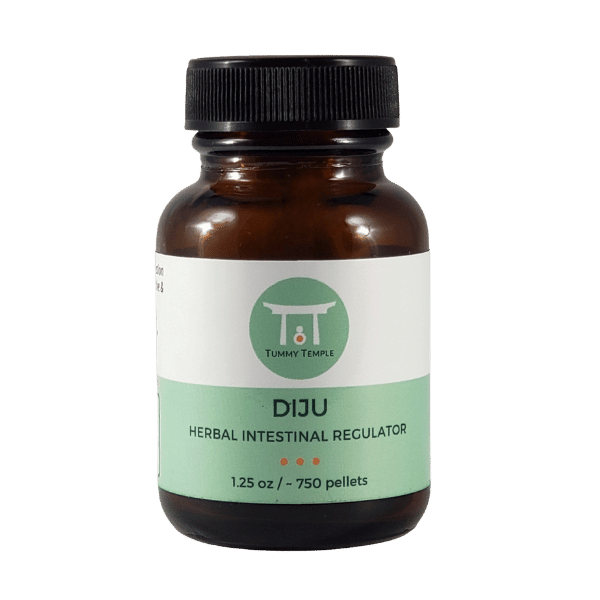
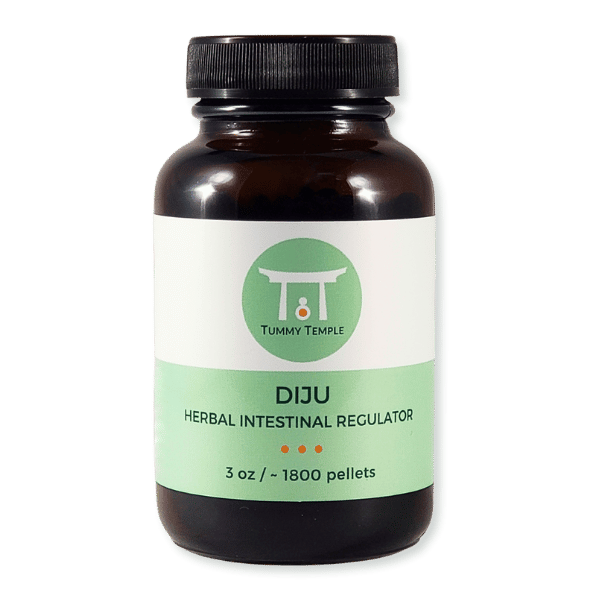
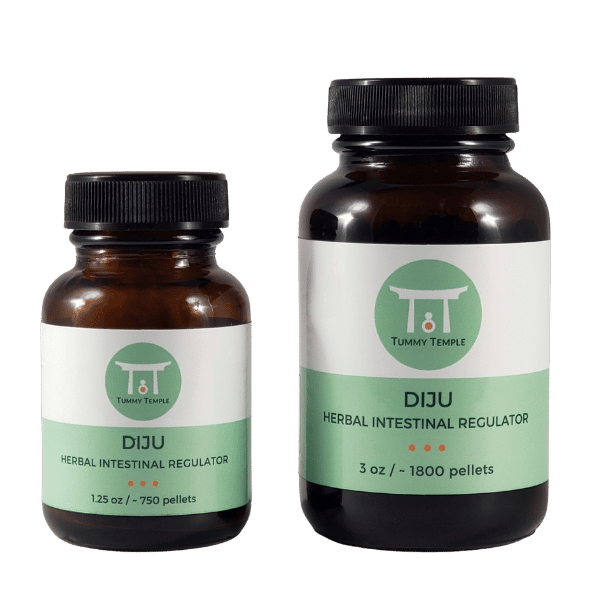
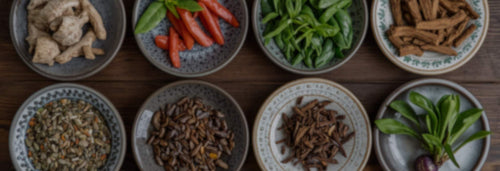
For those who want a little extra support alongside dietary changes, Diju is a botanical formula rooted in Traditional Chinese Medicine that supports comfortable, regular elimination. It's designed to complement the basics — not replace them. Think of it as one additional tool while diet and hydration are doing the heavy lifting. Natural Approaches to Supporting Regularity has more on where herbal options fit within a broader approach.
Bottom Line
Food is one of the most direct and adjustable influences on elimination. High-fiber fruits, vegetables, legumes, and whole grains support regular, comfortable transit. Processed foods, large amounts of dairy, red meat, and alcohol tend to work against it. Getting more of the former and less of the latter — along with enough water to let fiber do its job — is a reliable starting point for most people dealing with occasional sluggishness.
For more on what else affects elimination beyond diet, visit Constipation Relief: The Ultimate Guide.