Constipation isn't one thing — it exists on a spectrum. On one end, there's the ordinary sluggish day or two that resolves on its own after a better meal and some extra water. On the other, there are symptoms that deserve a proper medical conversation. Most people land firmly on the ordinary end, but knowing where the line is can save both unnecessary worry and unnecessary delay.
Here's what typical constipation feels like, what's worth watching, and what warrants a call to your doctor.
What Typical Constipation Feels Like
First, a useful baseline: bowel movement frequency varies widely among healthy adults. Anywhere from one to three times a day is ideal. What matters more than frequency is whether things feel comfortable and complete. When that shifts, it usually announces itself in a few familiar ways.
Infrequent Bowel Movements
For most people, constipation starts with going less often than usual — noticeably less than your own baseline. If you normally go once a day and suddenly go three days without, that's a signal something has shifted, even if you're still technically within what some people consider a "normal" range.
Hard or Difficult-to-Pass Stool
Stool that has spent too long in the colon loses water and becomes drier and firmer. When it arrives hard, lumpy, or pebble-like, that's a sign transit has slowed. This is also what causes the straining that tends to accompany constipation — the body working harder to move something that's lost the moisture that would have made it easier.
A Sense of Incomplete Emptying
Many people describe this as the most uncomfortable part: the feeling that something is still there after a bowel movement, even when there isn't much left. It's a common feature of sluggish transit and tends to ease as elimination becomes more regular again.
Bloating and Abdominal Discomfort
When stool moves slowly, gas produced by fermentation in the colon has more time to build up. This can cause a full, uncomfortable feeling in the abdomen — sometimes accompanied by visible bloating. It tends to come and go and is usually mild enough to manage without intervention. Back discomfort can also occasionally accompany this; Constipation and Back Pain explains that connection.
When to Keep an Eye on Things
Most occasional constipation responds to basic adjustments within a few days — more fiber, more water, more movement, a little patience. But there are situations where it's worth paying closer attention rather than simply waiting it out.
If constipation has lasted more than a week without improvement despite reasonable dietary and lifestyle adjustments, it's worth thinking about whether something else might be going on — a medication side effect, a change in activity level, increased stress, or something that deserves a closer look. Constipation that keeps coming back in a predictable pattern is also worth noting and mentioning to a healthcare provider, even if each episode resolves on its own.
For more on what commonly triggers slower transit, What Causes Constipation? Common Triggers Explained covers the most common factors and what to do about them.
When to See a Doctor
Most constipation is ordinary and self-resolving. But some symptoms are a signal to get a professional evaluation rather than waiting things out. None of these are causes for alarm on their own, but each deserves attention.
Blood in the Stool
Bright red blood on the tissue or in the bowl — especially from straining — is often from a minor source like a small hemorrhoid or irritated tissue. But blood in any form should be evaluated by a doctor, particularly if it's dark, tarry, or appears without obvious explanation. This is a symptom to take seriously regardless of whether constipation is present.
Significant or Worsening Abdominal Pain
Mild discomfort and a sense of fullness are normal features of constipation. Pain that is sharp, severe, or getting worse over time is not. If abdominal pain is intense enough to be distracting, or if it's accompanied by vomiting, those symptoms together warrant a prompt conversation with a doctor.
Unintentional Weight Loss
Losing weight without trying, at the same time as a noticeable change in bowel habits, is a combination that should be evaluated. Either symptom alone is often benign, but together they warrant a closer look.
Sudden Onset Without a Clear Cause
Constipation that appears abruptly with no obvious explanation — no change in diet, no new medication, no disruption in routine — is worth discussing with a doctor, especially for adults over 50 or those with a family history of colorectal conditions. A sudden shift in bowel habits is simply more informative when a provider can assess it.
No Response to Reasonable Approaches
If constipation has persisted despite consistent attention to fiber, hydration, movement, and routine — and has lasted longer than two to three weeks — a healthcare provider can help identify whether something else is driving it and recommend next steps.
What to Try in the Meantime
For typical occasional constipation, the most reliable starting point is also the most straightforward: more fiber-rich food, more water, consistent movement, and a regular morning routine that leaves time to go without rushing. Natural Approaches to Supporting Regularity covers the full range of options — dietary, lifestyle, and herbal — in one place.
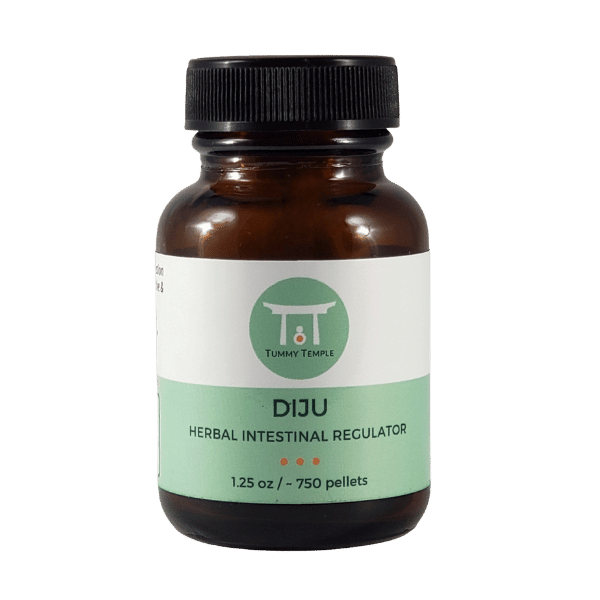
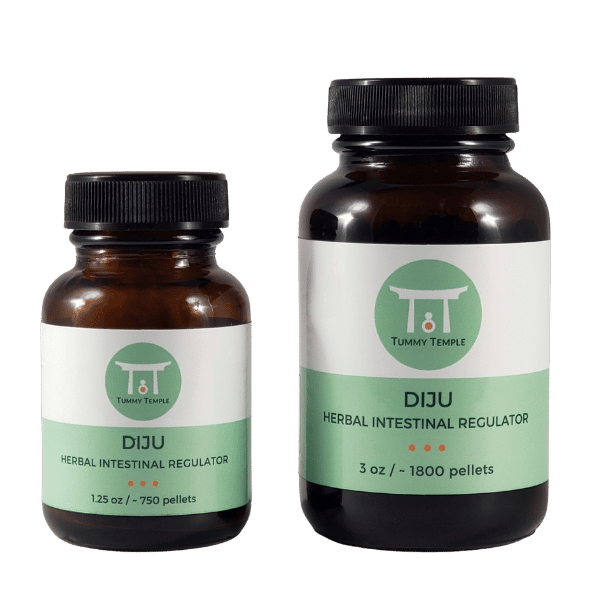
Some people find that a gentle herbal supplement supports comfortable elimination alongside these basics. Diju is a Traditional Chinese Medicine-inspired botanical formula that supports regular, comfortable elimination and relieves occasional constipation. It's a complement to the foundational approaches above — not a substitute for medical evaluation if your symptoms suggest something more is going on.
Bottom Line
Most constipation is ordinary, occasional, and responds well to basic adjustments. The symptoms to watch — and to mention to a doctor — are the ones that fall outside that pattern: blood in the stool, significant pain, unexplained weight loss, or constipation that persists without a clear cause or response to reasonable changes. When in doubt, a quick conversation with a healthcare provider is always the right call.
For a complete overview of occasional constipation — causes, approaches, and more — visit Constipation Relief: The Ultimate Guide.