If your bowel habits have shifted since starting a new medication, you're not imagining it. Constipation is one of the most common side effects across a surprisingly wide range of everyday drugs — from pain relievers and antidepressants to blood pressure medications and antacids. It's also one of the most frequently overlooked, because people don't always think to connect a change in their gut to something they're taking.
Here's a look at the medications most commonly associated with constipation, why each one affects the gut, and what tends to help.
Opioid Pain Medications
Opioids are the most well-known culprit, and for good reason — opioid-induced constipation is so common that it has its own clinical name. These medications bind to receptors in the gut wall that normally regulate muscle contractions, effectively hitting the pause button on peristalsis. The result is stool that moves too slowly, sits in the colon too long, and loses too much water in the process.
This effect is dose-dependent and doesn't diminish much with time, which means constipation tends to persist for as long as the medication is taken. Anyone on opioids for more than a few days should be proactively managing fiber and fluid intake — and often needs additional bowel support alongside.
Antidepressants and Antianxiety Medications
Older tricyclic antidepressants (TCAs) — including amitriptyline and nortriptyline — have strong anticholinergic properties, meaning they block the nerve signals that stimulate gut motility. The result is a slower, less active digestive tract. Constipation is one of their most consistent side effects.
Newer antidepressants (SSRIs and SNRIs) are generally less likely to cause constipation and some can actually have the opposite effect. But individual responses vary, and it's worth tracking any changes in bowel habits in the weeks after starting or changing an antidepressant.
Antacids Containing Calcium or Aluminum
Not all antacids are the same. Antacids based on magnesium tend to have a loosening effect — magnesium is mildly osmotic. But antacids based on calcium carbonate (like Tums) or aluminum hydroxide (like some Maalox formulations) have the opposite effect. Calcium slows gut motility; aluminum absorbs water from the gut. Either can contribute to harder, slower stool, especially when taken frequently.
Iron Supplements
Iron supplements are among the most reliable causes of constipation in people who take them regularly. Iron is directly irritating to the gut lining, and ferrous sulfate — the most common form — has the highest rate of GI side effects. Ferrous gluconate and ferrous bisglycinate are gentler alternatives that cause fewer digestive issues while still delivering the iron. If you're taking iron and struggling with constipation, it's worth discussing the form with your prescribing doctor or pharmacist.
Blood Pressure Medications
Calcium channel blockers — a common class of blood pressure medication that includes amlodipine and diltiazem — can slow gut motility in the same way they slow the heart: by reducing the calcium-dependent muscle contractions that move material through the colon. Constipation is a well-documented side effect of this class. Other antihypertensives are generally less likely to cause it, though diuretics can contribute indirectly by causing mild dehydration.
Antihistamines
Many antihistamines — especially older, first-generation versions like diphenhydramine (Benadryl) — have anticholinergic effects similar to the tricyclic antidepressants described above. They block the nerve signals that keep the gut moving. This is more pronounced with daily or frequent use than with the occasional dose. Newer antihistamines (loratadine, cetirizine) have fewer anticholinergic effects and are less likely to affect bowel function.
Antibiotics
Antibiotics get a reputation primarily for causing diarrhea — and that's the more common reaction — but constipation can also follow a course of antibiotics, particularly once the diarrhea phase has passed. The mechanism is disruption of the gut microbiome: antibiotics kill off beneficial bacteria alongside the harmful ones, and the altered bacterial landscape can slow transit and change stool consistency in either direction. Probiotic supplementation during and after a course of antibiotics can help the microbiome recover more quickly.
Diuretics
Diuretics increase fluid output through the kidneys, which can reduce the amount of water available to the colon. The result is stool that's drier than usual and harder to pass. This effect is generally mild with careful hydration, but people on diuretics who aren't drinking enough throughout the day often notice constipation as a background issue.
What to Do About It
The most important thing first: don't stop or change a prescribed medication without talking to your doctor. Many of these medications are managing conditions where abrupt changes can have real consequences. Instead, raise the constipation as a side effect at your next appointment — there are often alternatives within the same drug class that are less constipating, or dose adjustments that help.
In the meantime, the dietary and lifestyle basics make a meaningful difference even when a medication is the root cause. More fiber-rich food, more water, regular movement, and a consistent morning routine can offset a medication's slowing effect to a significant degree. Foods That Support Healthy Elimination and Natural Approaches to Supporting Regularity cover the full range of options.
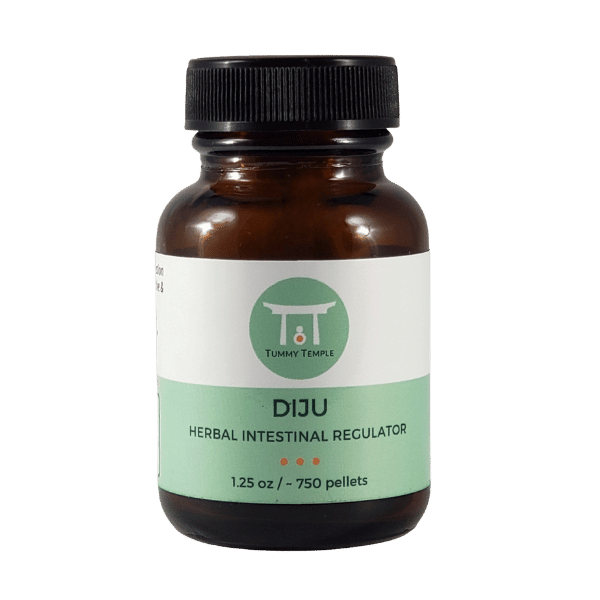
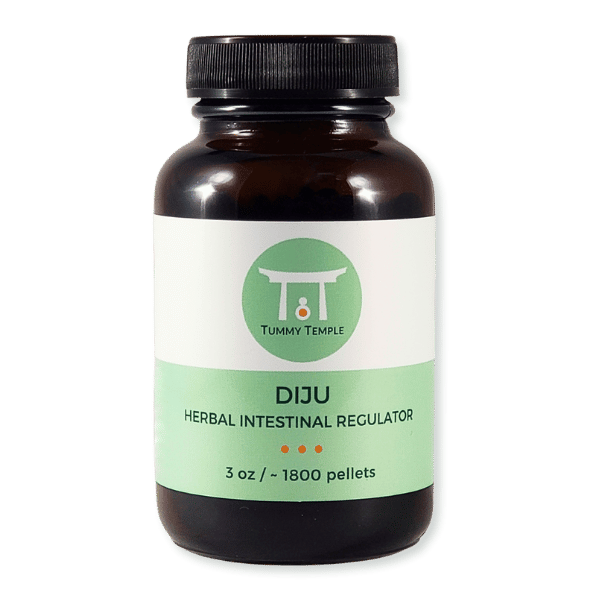
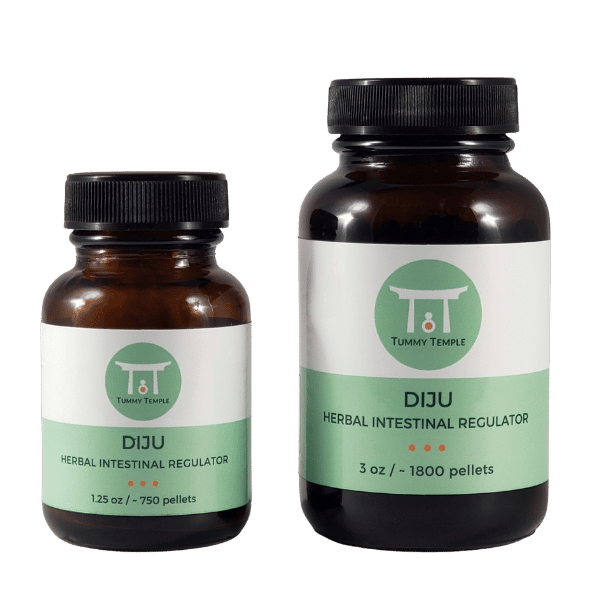
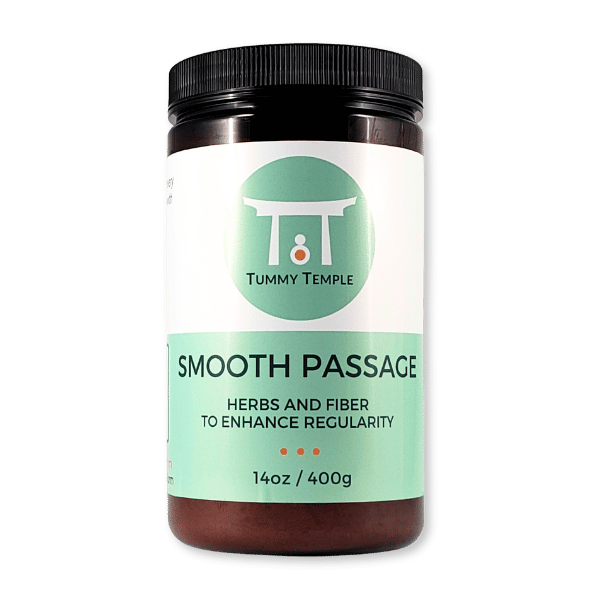
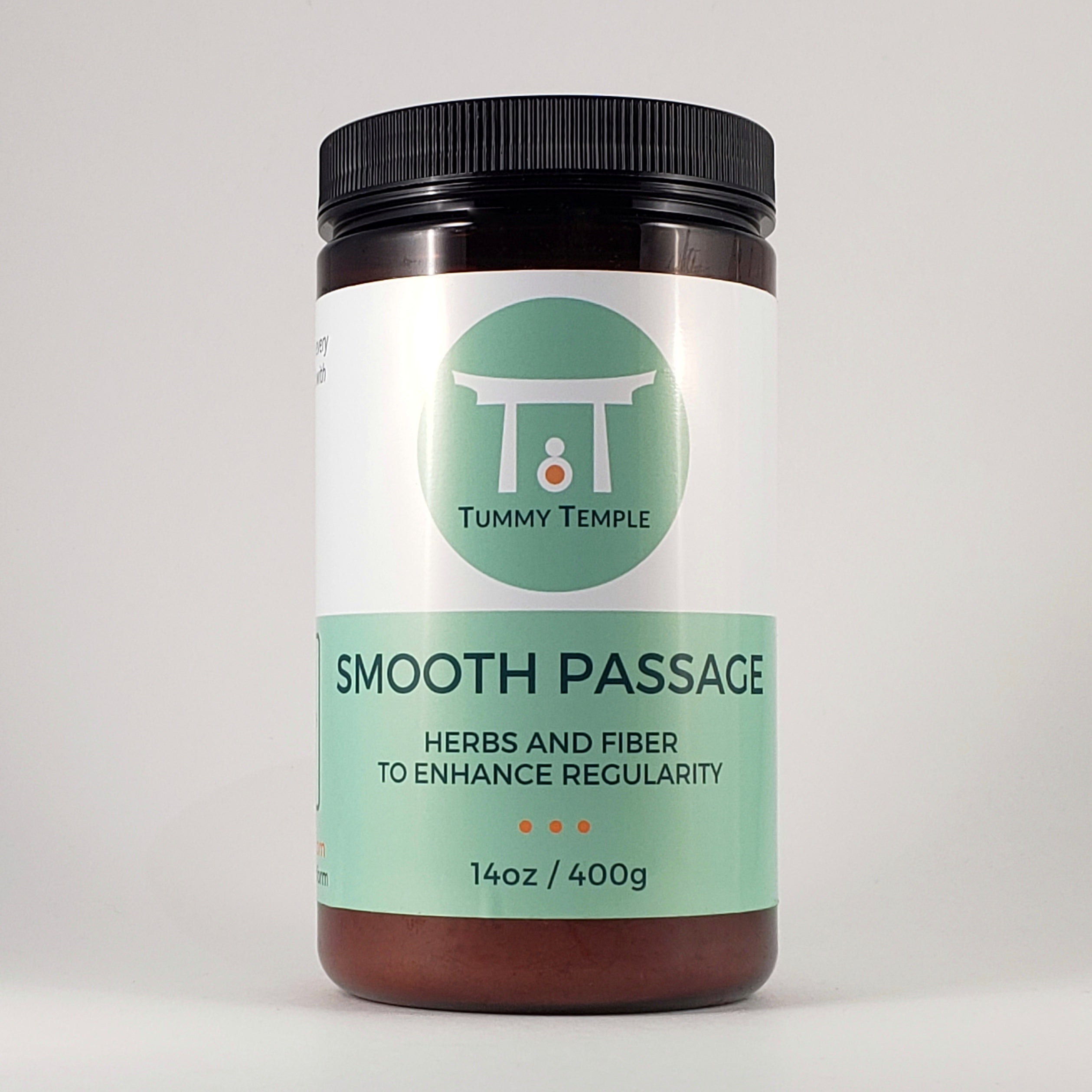
For those looking for additional gentle herbal support alongside these basics, Diju is a botanical formula that supports comfortable, regular elimination. It's designed to work with the body's own digestive processes to get your bowels moving again.
Bottom Line
Medication-induced constipation is common, often overlooked, and frequently manageable without stopping the medication that's causing it. The key is making the connection in the first place, supporting elimination actively through diet and hydration, and having a conversation with your prescribing doctor if the issue is persistent or significantly affecting your quality of life.
For a broader overview of what causes constipation and how to address it, visit What Causes Constipation? Common Triggers Explained and Constipation Relief: The Ultimate Guide.