Hydration is one of the most direct levers for healthy elimination, but it's not just about how much you drink — it's also about what you drink. Some beverages actively support transit. Others hydrate without much additional benefit. And a few work against you. Knowing the difference is a simple, practical way to support your gut without overhauling your whole routine.
Water: The Non-Negotiable Foundation
Everything else on this list is secondary to plain water. Your large intestine draws water from stool as it passes through, and when you're not well-hydrated, it draws more — leaving stool drier, harder, and slower to move. Eight or more cups per day is the standard guidance, with more needed when it's hot or you're exercising.
Temperature can matter too. Many people find that warm or hot water — especially first thing in the morning — helps stimulate the gastrocolic reflex, the natural response that triggers the urge to go after eating or drinking. It's one of the simplest morning habits for regularity, and it costs nothing.
Juices That May Help
Prune Juice
Prune juice is the most well-studied drink for constipation, and its reputation is well-earned. Prunes are high in sorbitol — a sugar alcohol that draws water into the colon — and even in juice form (without the fiber of whole prunes), the sorbitol remains. Four to eight ounces in the morning is a common starting point. It works gradually for most people rather than urgently, which makes it a reasonable option for ongoing support rather than just a one-time fix.
Pear Juice
Pear juice contains sorbitol in similar amounts to prune juice, with a milder flavor. It tends to be gentler, which makes it a useful option for people who find prune juice too strong or too sweet. Like prune juice, it's best consumed in modest amounts — a small glass is enough to see an effect for most people.
Apple Juice
Apple juice has less sorbitol than prune or pear juice, but it still has a mild osmotic effect and is well-tolerated by most people, including those with sensitive digestion. It's a gentler option — useful for mild sluggishness or as a maintenance choice rather than for more significant constipation.
Aloe Vera Juice
Aloe vera juice — made from the inner gel of the leaf, not the outer latex layer — is widely used for gut comfort and gentle support of bowel regularity. The latex portion of the aloe leaf is a stimulant laxative and is not what's used in food-grade aloe vera juice; the inner gel is soothing and lubrication-supportive rather than stimulating. Look for products labeled as decolorized or purified aloe vera juice, which indicates the latex has been removed.
Warm Beverages
Coffee
Coffee is one of the most reliably effective morning drinks for gut motility — and for many people, it works faster than anything else on this list. It stimulates colonic muscle contractions, often within 20 to 30 minutes of the first cup. Interestingly, this effect is only partially explained by caffeine; decaf coffee has a similar if slightly weaker response. The warmth of the drink appears to play a role as well. For most people, one to two cups in the morning is plenty.
Herbal Teas
Several herbal teas have traditional use for supporting digestion and elimination. Ginger tea supports gastric motility and is a common go-to for sluggish digestion. Dandelion root tea has a mild bitter quality that supports bile production, which plays a role in fat digestion and overall gut flow. Peppermint tea relaxes the muscles of the GI tract, which can ease cramping and support comfortable transit. As well, fennel tea helps with gas and bloating.
What to Limit
Alcohol
Alcohol has a diuretic effect — it increases fluid output and pulls water away from the colon. A night of drinking often shows up the next morning as sluggish, difficult elimination, partly because the colon had less fluid to work with overnight. This doesn't mean avoiding alcohol entirely, but being aware of the hydration tradeoff — and compensating with extra water — helps.
Sugary Sodas and Sweetened Drinks
Highly sweetened drinks — sodas, energy drinks, sweetened teas — contribute fluid but often at the cost of gut-friendly balance. High sugar intake can disrupt the gut microbiome over time, and carbonation (especially in large amounts) can contribute to gas and bloating. They're not a meaningful source of the kind of hydration that supports elimination.
Excess Milk and Dairy Drinks
For people sensitive to dairy, large amounts of milk can slow transit. For individuals with lactose intolerance diary can create bloating and loose stools. This isn't universal, but if you notice a pattern, it's worth experimenting with reducing dairy-based drinks to see whether it makes a difference.
A Note on Fiber in Drinks
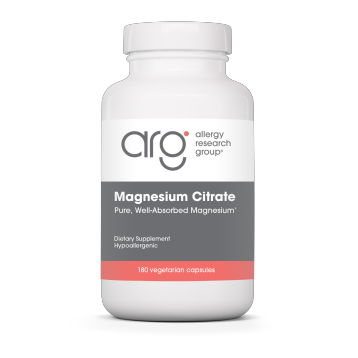
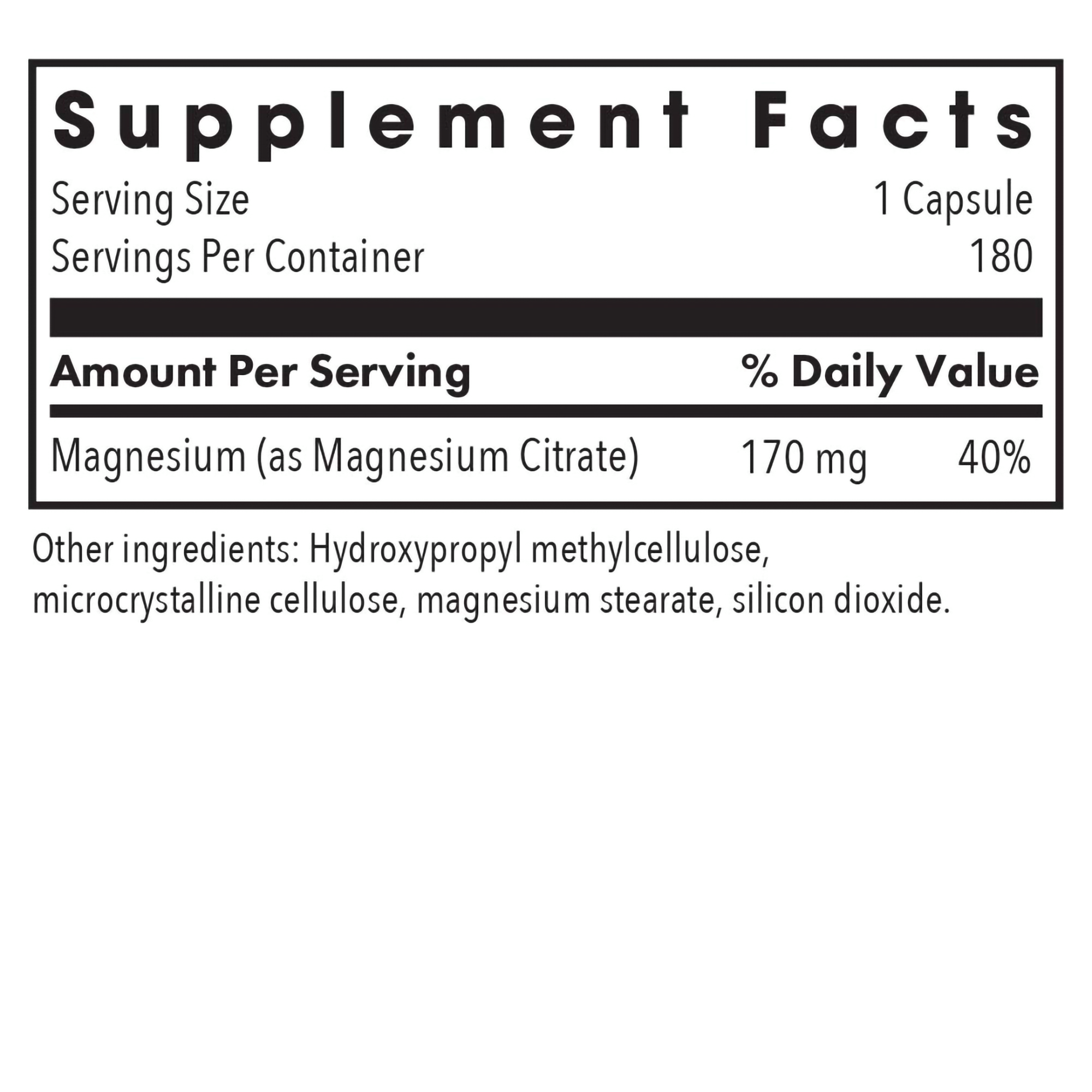
Fiber supplements mixed into water — psyllium husk being the most common — are another option worth knowing about. They add bulk that helps move stool through the colon, but they require plenty of fluid to work properly. Taking a fiber supplement without enough water can actually make constipation worse. If this approach interests you, Probiotics, Magnesium, and Fiber: Supplement Approaches to Regularity covers it in more detail.
Where Diju Fits In
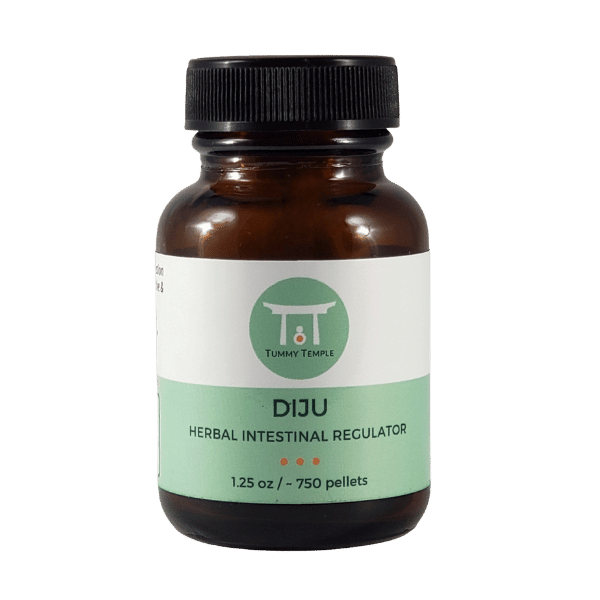
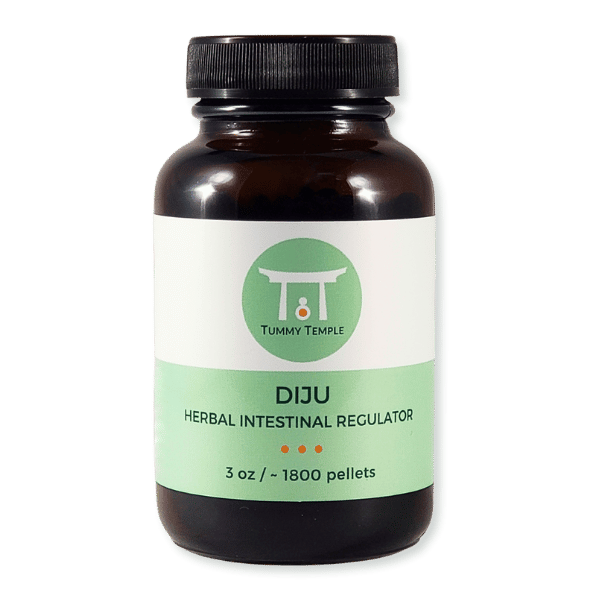
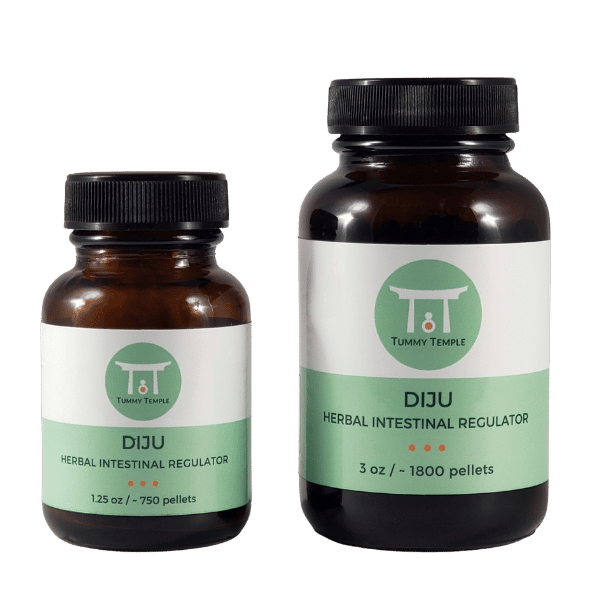
For those who want herbal support alongside good hydration habits, Diju is a reliable botanical formula that supports comfortable, regular elimination. It's not a drink, but it complements the hydration-first approach well — taken with water on an empty stomach, it works with the body's own digestive processes rather than against them. Natural Approaches to Supporting Regularity has more on how it fits into a broader routine.
Bottom Line
Water comes first, always. After that, prune juice, pear juice, coffee, and ginger or dandelion root tea are the drinks most consistently linked to better bowel function. Limiting alcohol and sugary drinks helps protect what good hydration is trying to accomplish. And pairing any of these with the dietary changes in Foods That Support Healthy Elimination gives your gut two strong inputs to work with at once.