When things slow down, most people want to start with something gentle — something they can try at home, without disrupting their whole system. The good news is that there's a lot you can do. Diet, hydration, movement, and routine form the foundation. Herbal and supplement options layer on top. And for most people dealing with occasional sluggishness, the basics alone are enough to get things moving again.
Here's a practical look at the natural approaches that support comfortable, regular elimination — and where each one fits.
Fiber and Food First
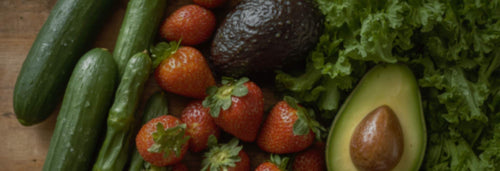
Fiber is the most direct dietary lever for regularity. It adds bulk to stool, holds water, and shortens the time it takes food to move through the colon. Most adults need 25 to 35 grams per day and get considerably less. Closing that gap — through fruits, vegetables, legumes, and whole grains — tends to produce noticeable improvement within a week or two of consistent eating.
A few foods are especially worth knowing about: prunes (high in fiber plus sorbitol, which draws water into the colon), kiwi (contains an enzyme that supports transit), leafy greens (fiber plus magnesium), and legumes (some of the highest-fiber foods available). Fermented foods like sauerkraut and kefir support the gut microbiome, which plays a role in transit as well. Foods That Support Healthy Elimination goes deeper on which foods help, which can slow things down, and why.
One important note: fiber works best with adequate hydration. Without enough water, fiber can actually firm up stool rather than soften it. If you're increasing fiber, increase fluid intake alongside it.
Hydration
Your large intestine draws water from stool as it passes through — and when you're not well-hydrated, it draws more, leaving stool drier and harder to pass. Mild, ongoing underhydration is one of the most common and most overlooked contributors to sluggish elimination.
Eight or more cups of fluid per day is a reasonable general target. Warm liquids in the morning — including coffee, which stimulates colonic activity for many people — can also help get things moving. Drinks That Support Healthy Bowel Function covers what to reach for and why.
Movement
Physical activity directly stimulates intestinal motility. The muscular contractions that move material through the digestive tract are influenced by whole-body movement — which is why prolonged sitting (a full desk day, a long flight, a period of illness) so reliably slows things down. You don't need intense exercise to see a benefit. A 20-minute walk after a meal, done consistently, supports transit more than an occasional high-intensity session once a week.
Routine
The gut runs on a body clock. Consistent mealtimes, a regular sleep schedule, and a dependable morning routine give the digestive system the timing cues it needs to function predictably. One of the most effective habits for regularity is simple: allow unhurried time in the morning after breakfast, and don't suppress the urge to go when it arrives. Stool that sits in the colon loses water continuously — the longer it waits, the harder it gets.
Herbal Support: A Traditional Approach
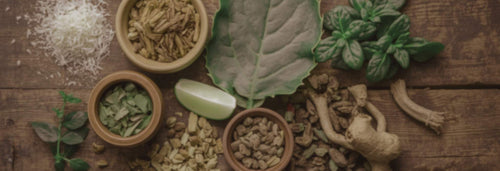
Alongside diet and lifestyle, herbal formulas with a long history in traditional medicine offer another layer of support. Traditional Chinese Medicine (TCM) has used bitter herbs to encourage digestive function for centuries — not by forcing the bowel to contract, but by supporting the body's own production of digestive fluids, which naturally soften and ease the movement of stool.
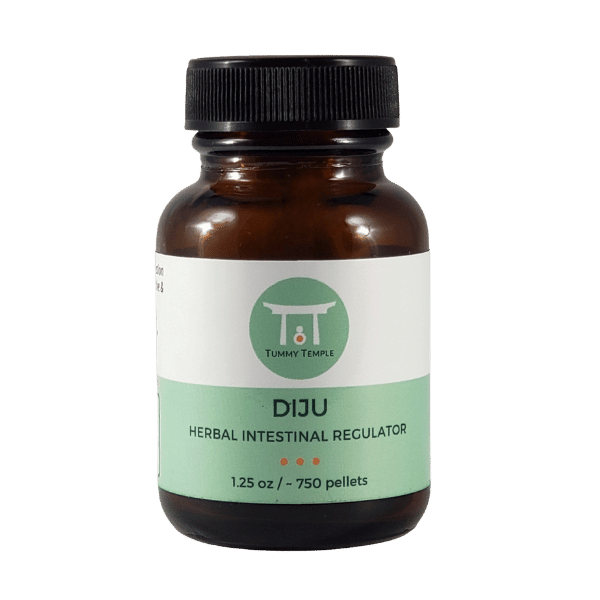
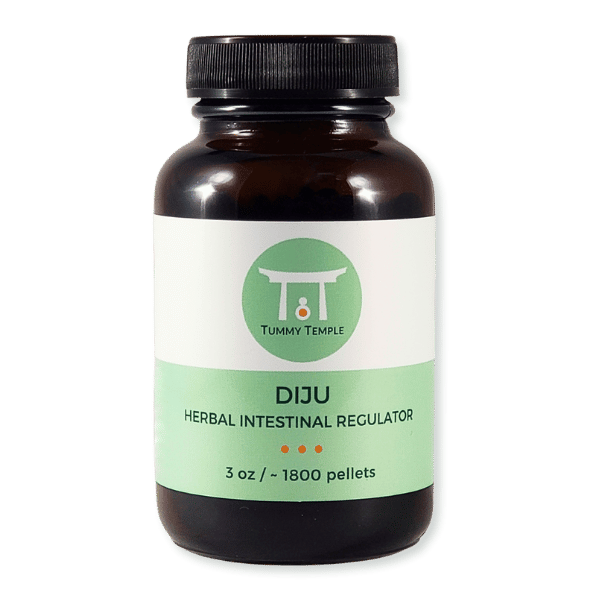
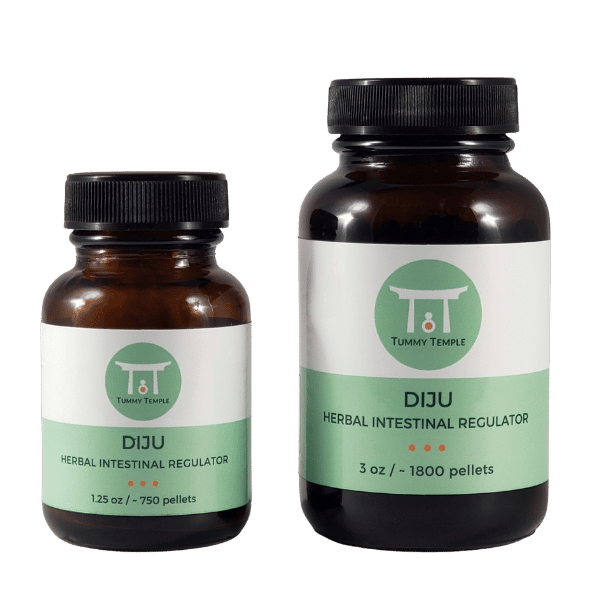
Diju
Diju is Temple Natural Health's botanical formula inspired by this tradition. It combines six herbs and a raw honey binder into a small, easy-to-take pellet that supports comfortable, regular elimination and relieves occasional constipation.
The formula includes:
Baikal Skullcap Root — a bitter herb with a long history of use in TCM for supporting digestive and liver function.
Chinese Rhubarb Root — one of the most studied herbs in TCM for supporting healthy elimination.
Aloe Vera Leaf (non-laxative form) — used here for its soothing and lubricating properties, not as a stimulant.
Dong Quai — traditionally used to support smooth flow and circulation within the digestive system.
Cape Jasmine Fruit — supports digestive and liver function in TCM tradition.
Coptis Root — a bitter digestive herb, among the most foundational in TCM formulas for gut support.
Raw Honey — the binder that holds the pellets together, with gentle additional soothing properties.
Diju is taken in small amounts — a quarter teaspoon (about 20 pellets) up to a maximum of one and a half teaspoons per day — and works most effectively on an empty stomach. Serving size can be adjusted up or down based on how your body responds, which makes it easy to dial in.
For more on how the formula works, visit How Diju Works. For a closer look at each ingredient, What's In Diju? has the full breakdown.
Supplements Worth Knowing About
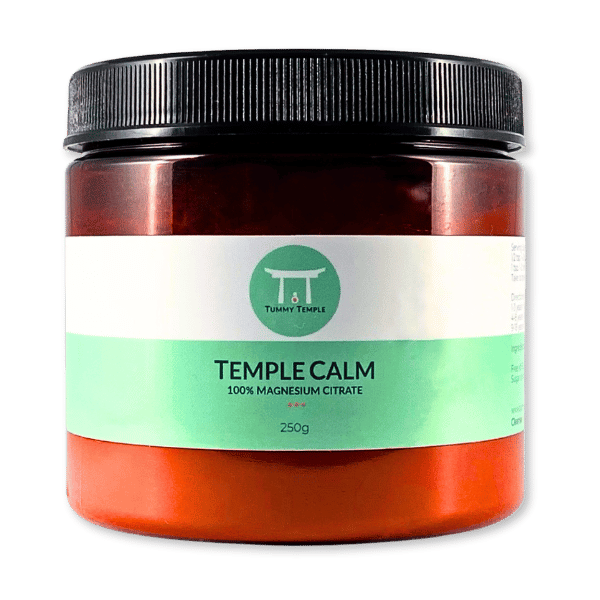
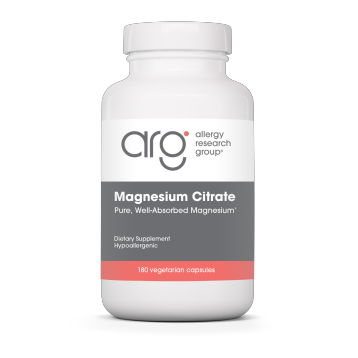
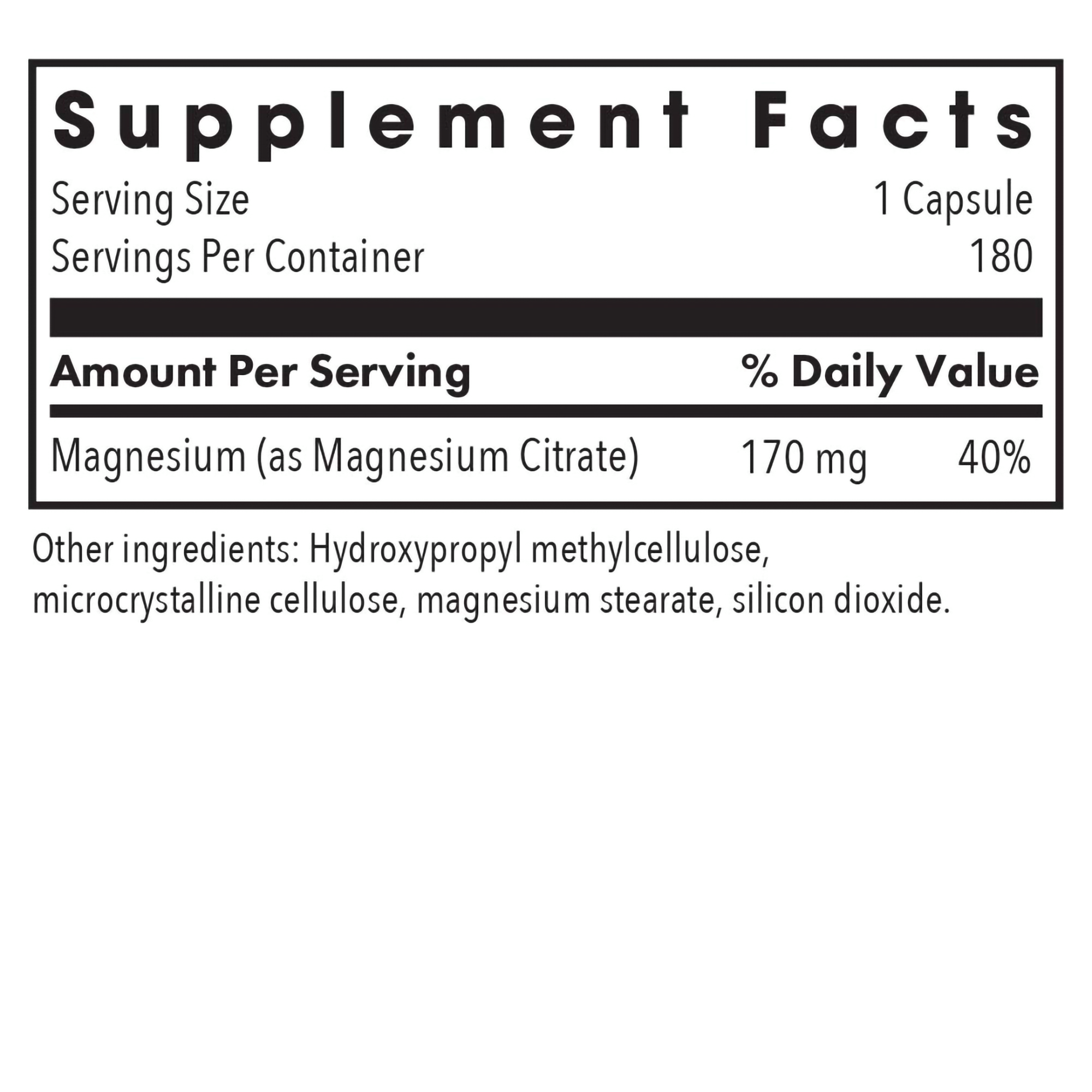
Beyond herbal formulas, a few supplement categories have meaningful support for gut regularity. Magnesium (especially magnesium citrate or oxide) draws water into the colon and is one of the gentler supplement options for occasional sluggishness. Fiber supplements like psyllium husk add bulk in a predictable way. Probiotics support the gut microbiome, which plays a growing and not-yet-fully-understood role in transit regularity. Probiotics, Magnesium, and Fiber: Supplement Approaches to Regularity covers how each works and what to consider when choosing.
When to Talk to a Healthcare Provider
Natural approaches work well for most cases of occasional constipation. But some situations call for a conversation with a doctor: constipation that came on suddenly without an obvious cause, or that's accompanied by blood in the stool, significant abdominal pain, or unintentional weight loss. These symptoms aren't usually serious, but they deserve a proper evaluation.
Bottom Line
The most effective approach to supporting regularity tends to be a layered one: fiber and hydration as the foundation, movement and routine to keep things consistent, and herbal or supplement options as additional support when needed. Most people find that addressing two or three of these areas at once produces better results than relying on any single thing.
For a broader overview of occasional constipation — including what causes it and a full range of approaches — visit Constipation Relief: The Ultimate Guide.