You took something to help things move. Now you’re checking the clock.
“How long does it take” is one of the most common questions about stool softeners — and the honest answer is: it depends on what you took, what you ate, and how hydrated you are. Here’s what to actually expect.
The Short Answer
Most stool softeners start working somewhere between 12 and 72 hours. Some types work faster — within a few hours. Others, especially fiber-based and herbal formulas, work more gradually and build their effect over several days of regular use.
There’s no single number that applies to every product, because “stool softener” covers several different mechanisms — and each one works on its own timeline.
Timing by Type
Here’s roughly what to expect, by category:
- Emollient softeners (like docusate sodium): 12 to 72 hours. These work by helping water and fat blend into the stool, which takes a little time to soften things up.
- Osmotic agents: 30 minutes to 6 hours. These pull water into the colon directly, so they tend to act faster — but they also depend heavily on how hydrated you already are.
- Bulk-forming fiber supplements: 12 to 72 hours for an initial effect, with the full effect building over several days. These work by adding bulk and absorbing water, which is a gradual process.
- Lubricant softeners: 6 to 8 hours. These coat the stool so it moves with less resistance.
- Herbal and botanical formulas: Depending on type and dosage anywhere from 8 hours to a few days of consistent use.
What Affects How Fast It Works
Even within the same product, timing isn’t fixed. A few things make a real difference:
- Hydration. Stool softeners that rely on moving water — which is most of them — work better when you’re already drinking enough water. If you’re dehydrated, even a fast-acting product can take longer.
- Food. Some products work faster on an empty stomach. Taking something with a large meal can slow things down.
- How much is already in the colon. If there’s already a backlog, it may take longer for softened stool to make its way through.
- Your individual gut transit time. This varies a lot from person to person — and even day to day for the same person, depending on stress, activity level, and routine.
- Consistency. For fiber-based formulas especially, the first dose is rarely the most representative one. These work best as part of a regular routine, not a one-time fix.
What “Working” Actually Looks Like
It’s worth saying plainly: for gentler formulas, “working” doesn’t always mean an urgent, can’t-wait-five-minutes feeling. More often, it shows up as a softer, easier-to-pass stool the next time you go — less straining, less effort, more comfort.
That’s a meaningfully different experience than a stimulant laxative, which tends to announce itself. If you’re used to that kind of fast, forceful signal, a gentler stool softener can feel like “did anything happen?” — even when it did.
When to Expect More Patience
If you’re trying a fiber supplement or an herbal formula, give it a few days before deciding whether it’s working. These aren’t designed to produce a dramatic one-time event — they’re designed to gradually shift things toward a more comfortable baseline.
If you’ve taken a fast-acting product as directed and seen no change after the expected window — say, 24 hours past the high end of the range — that’s worth paying attention to. Drinking more water, adjusting your dose within the label’s guidance, or trying a different type are all reasonable next steps. If hard or infrequent stools continue for more than a week or two despite these adjustments, that’s a good time to check in with a healthcare provider.
Where Diju Fits
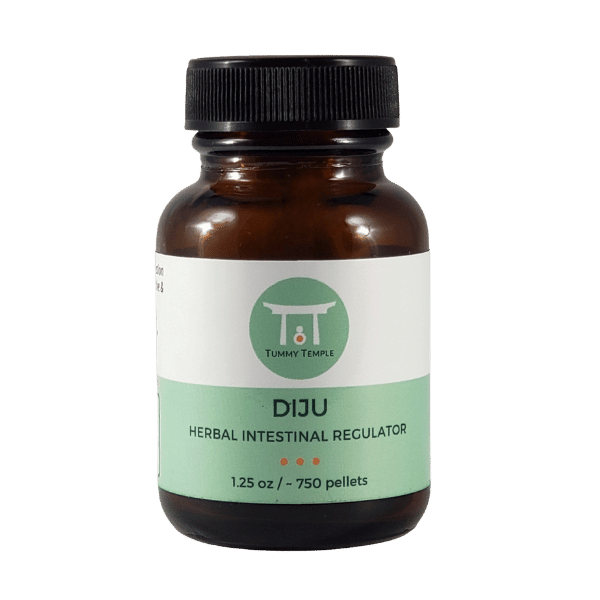
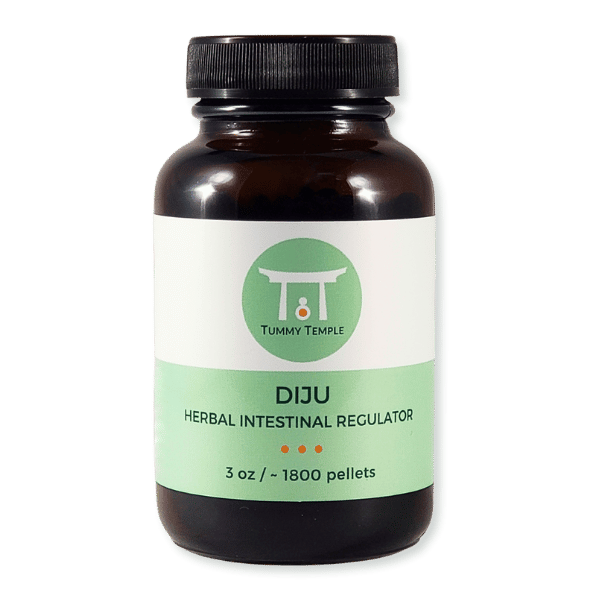
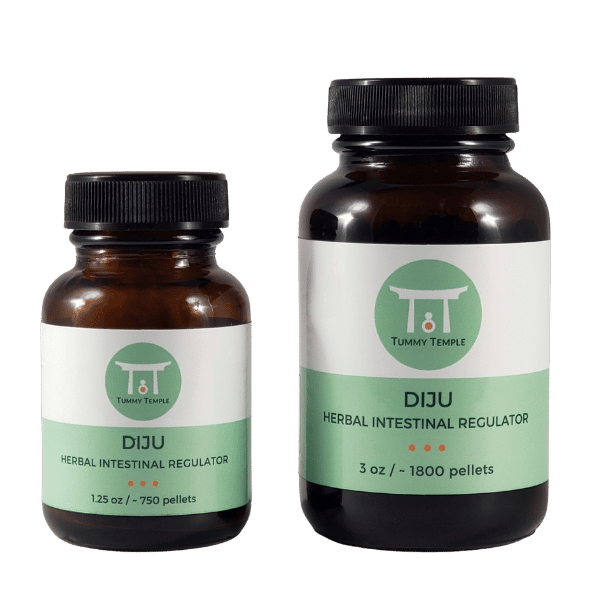
Diju is Temple Natural Health’s natural stool softener, built on a Traditional Chinese Medicine formula refined over more than 25 years of naturopathic clinical practice. When taken in smaller amounts, as a daily support, most people find it takes a few days of consistent use to notice a difference. But it’s also adjustable, so when you need it most it can be taken in larger amounts for faster, but still comfortable, results.
The Bottom Line
There’s no universal timeline for “how long a stool softener takes to work” — it depends on the type, your hydration, your food intake, and your own gut. Fast-acting types may work within hours; while others can typically take a few days of consistent use to show their full effect.
If you want a natural formula that can change with your needs consider Diju. For more on the different types of stool softeners and how each one works, see our Stool Softener Guide.