Diet, hydration, movement, and routine form the foundation of healthy elimination — and for most people, those basics are enough. But when a little extra support is helpful, a handful of supplement categories have meaningful evidence behind them. Probiotics, magnesium, and fiber supplements each work through a different mechanism, which means they're not interchangeable — and understanding how each one works makes it easier to choose what's actually appropriate for your situation.
Probiotics
Probiotics are live bacteria introduced through food or supplements that support the gut's microbial ecosystem. The connection between the gut microbiome and bowel regularity is an active area of research, and the picture that's emerging is that the diversity and balance of bacteria in the colon plays a meaningful role in transit time and stool consistency.
How They Work
Certain strains of bacteria influence the speed at which material moves through the colon — in part through the production of short-chain fatty acids, which feed the cells lining the gut wall and support muscular contractions that keep things moving. Probiotic supplementation has been studied for its effect on transit time, particularly in people whose gut flora has been disrupted (by antibiotics, illness, travel, or dietary shifts).
What to Look For
Not all probiotics are the same. Strain matters — Lactobacillus and Bifidobacterium species are among the most studied for gut motility support. Look for products that specify the strains included and that provide colony-forming unit (CFU) counts in the billions. Refrigerated products are more likely to contain live cultures, though some shelf-stable formulations are engineered to be stable at room temperature.
Fermented foods — yogurt, kefir, kimchi, sauerkraut — offer a food-based probiotic source that also comes with fiber and other nutrients. For many people, regularly including fermented foods is a practical alternative or complement to supplementing.
Magnesium
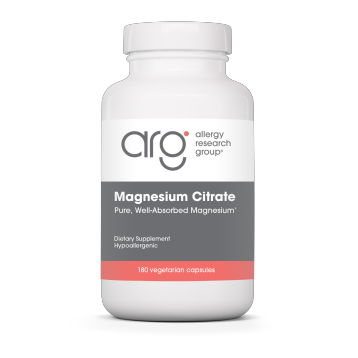
Magnesium is one of the more straightforward supplement options for occasional constipation, and it works through a well-understood mechanism: it draws water into the colon osmotically, which softens stool and supports easier passage.
How It Works
Unlike stimulant laxatives, which trigger muscle contractions, magnesium works by increasing the water content of stool — making it softer, bulkier, and easier to move. It's a gentler mechanism, and the effect tends to be predictable without the urgency or cramping that stimulants can produce.
Forms and Differences
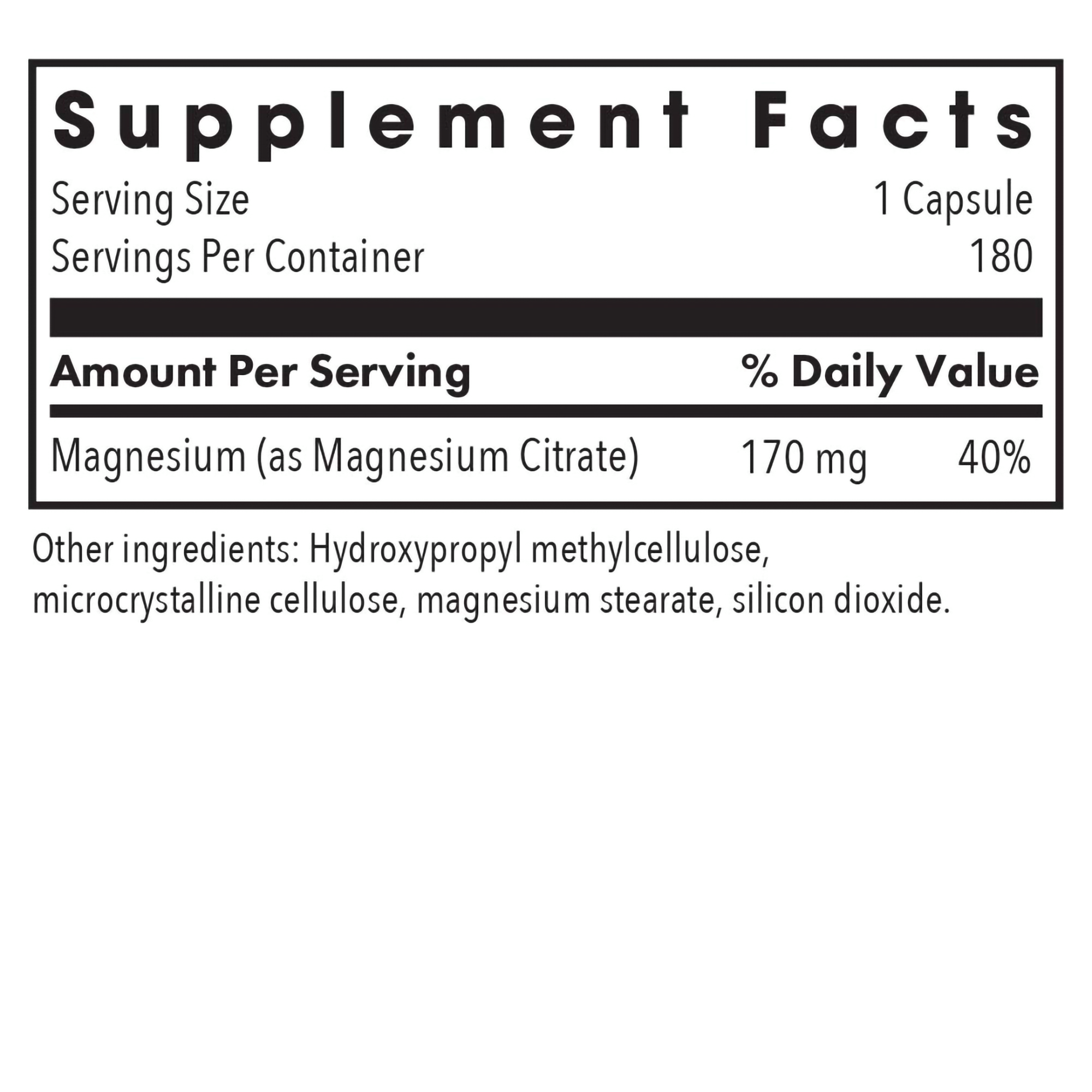
The form of magnesium matters for how it's used. Magnesium citrate and magnesium oxide are the forms most associated with bowel support — both are poorly absorbed (which means more remains in the gut to have an osmotic effect). Magnesium glycinate, by contrast, is highly absorbable and is generally used for sleep or muscle support rather than elimination. If gut regularity is the goal, citrate or oxide are the more relevant forms.
Dosage should be started low and adjusted based on response. Too much magnesium can produce loose stools or urgency — which is useful information for dialing in the right amount, not a reason to avoid it.
Fiber Supplements
Fiber supplements fill the gap between what most people eat and what the gut actually needs. The daily target for fiber is 25 to 35 grams; the average intake is roughly half that. When getting there through food alone isn't realistic, a fiber supplement can help close the gap.
How They Work
Bulk-forming fiber supplements — the most common category — absorb water in the colon and expand, adding bulk to stool and supporting the muscular contractions that move it through. They work with the body's natural process rather than overriding it, which makes them one of the safer long-term options for regularity support.
Common Options
Psyllium husk is the most widely used fiber supplement, and among the most studied. It's a soluble fiber that forms a gel in the colon, softening stool and supporting transit. Methylcellulose (sold as Citrucel) is a synthetic alternative that produces less gas than psyllium for people who are sensitive. Inulin and partially hydrolyzed guar gum are other options that also function as prebiotics, feeding the beneficial bacteria in the gut.
The Water Rule
Fiber supplements only work with adequate water. Without it, they can actually firm up stool and make constipation worse. Taking a fiber supplement alongside a full glass of water — and maintaining good overall hydration throughout the day — is essential, not optional.
A Herbal Approach: Where Diju Fits In
Alongside these three supplement categories, herbal formulas offer a different mechanism entirely — one rooted in traditional medicine rather than modern supplementation.
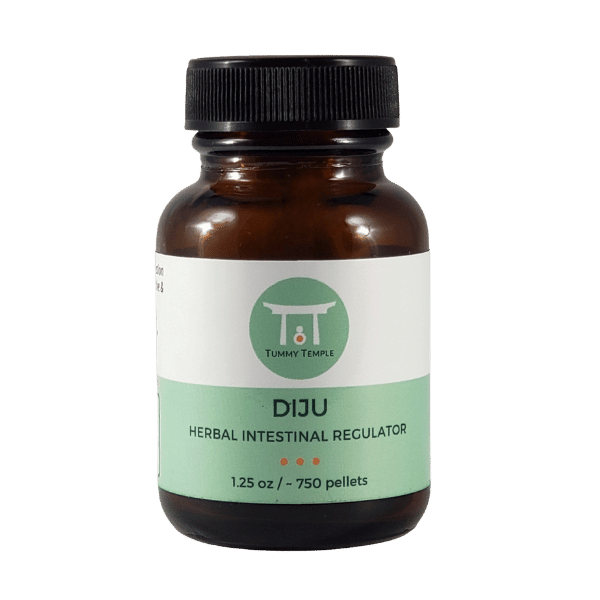
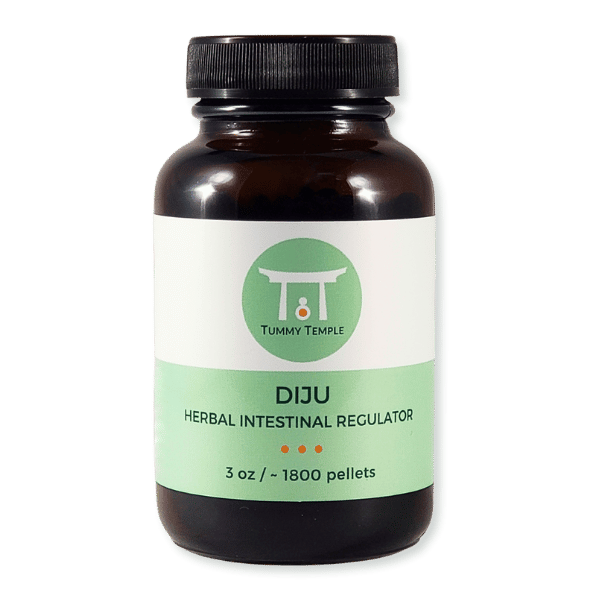
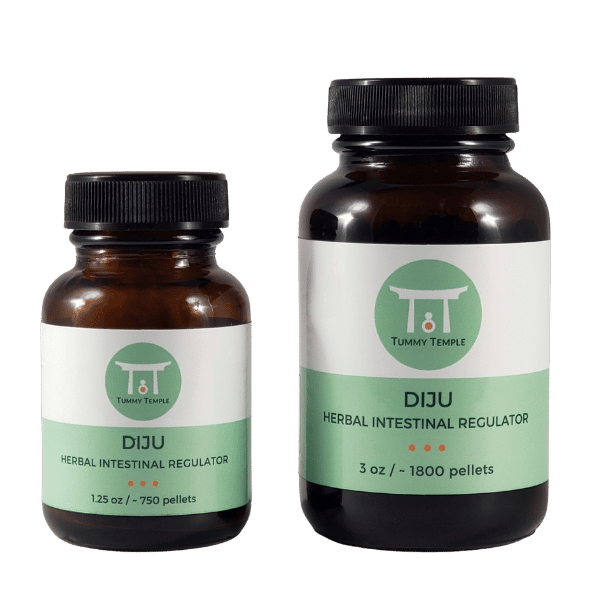
Diju is a Traditional Chinese Medicine inspired botanical formula that supports digestive function through bitter herbs traditionally used to encourage the body's own production of digestive fluids. Rather than drawing water osmotically (like magnesium), adding bulk (like fiber), or supporting gut flora (like probiotics), Diju works by supporting the secretory side of digestion — the production of bile and digestive juices that naturally soften and lubricate stool as it moves through.
It's a complementary approach rather than a competing one. Some people use Diju alongside dietary fiber or magnesium; others find it sufficient on its own. For more on the mechanism and ingredients, How Diju Works and What's In Diju? cover both in detail.
Using These Approaches Together
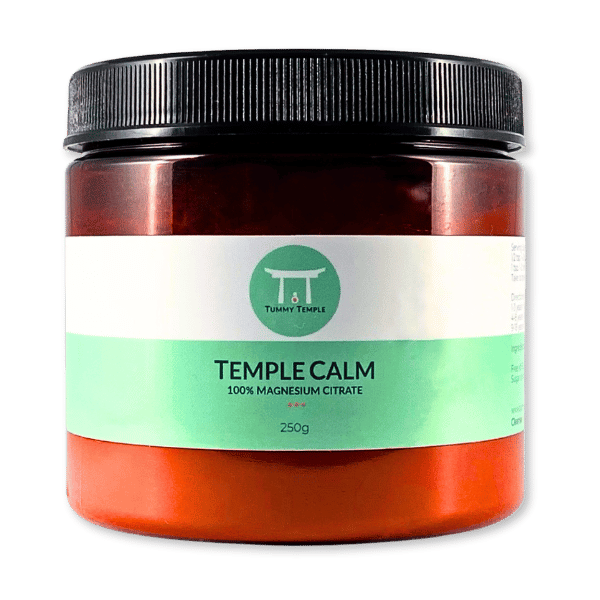
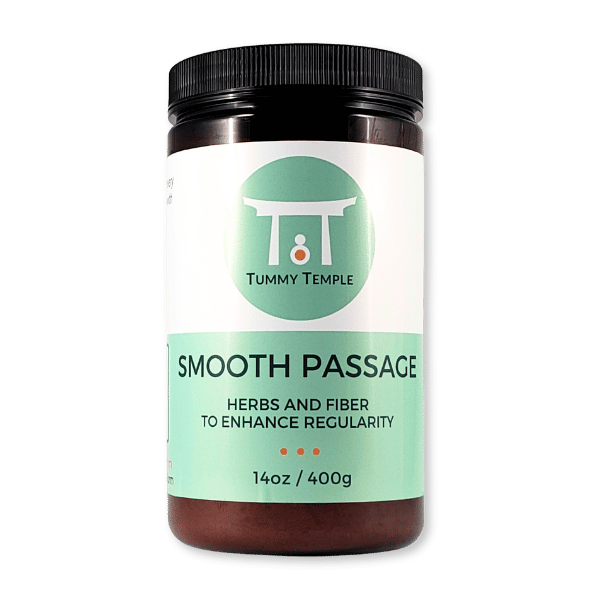
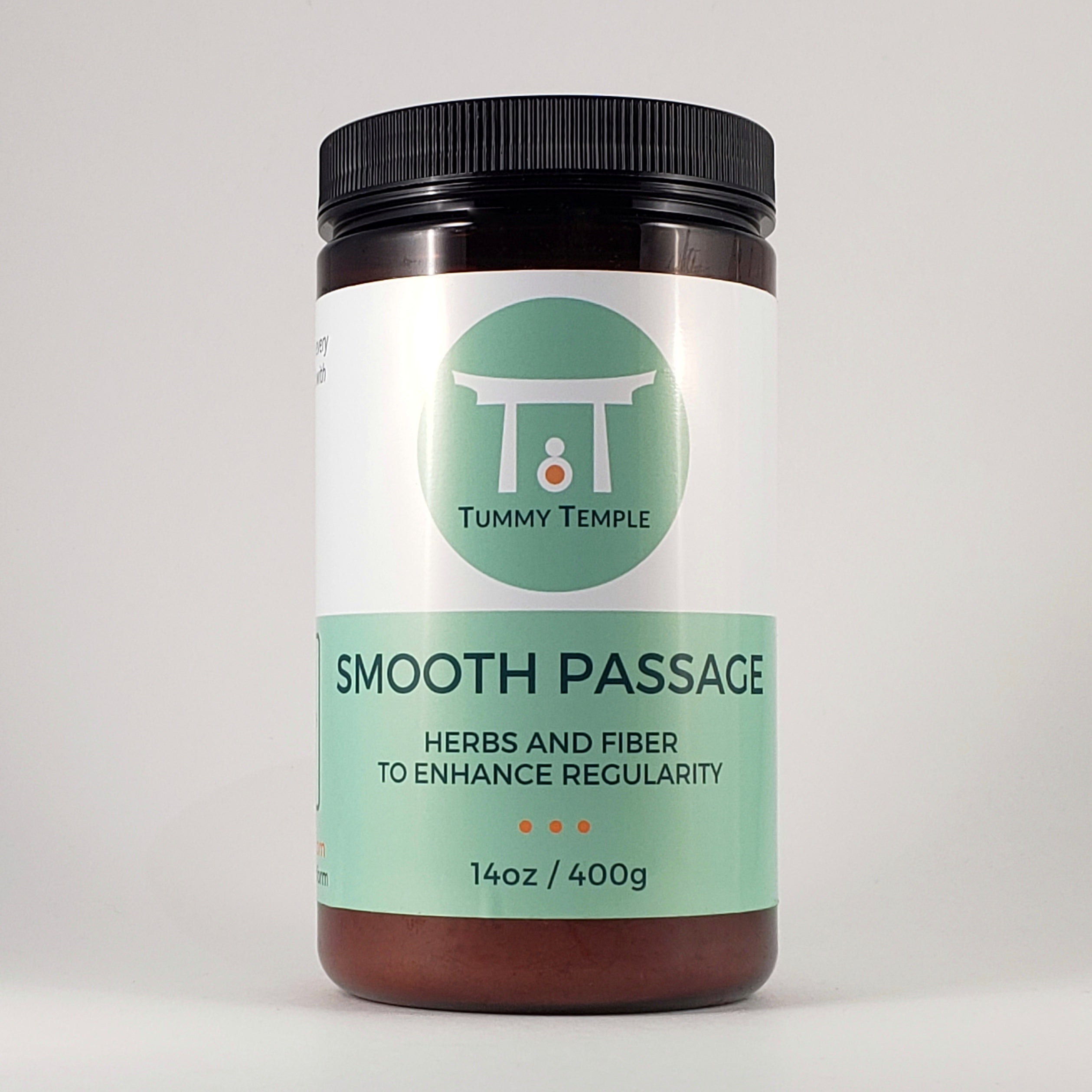
Probiotics, magnesium, and fiber work through different mechanisms, which means they can complement rather than duplicate each other. A practical combination for someone working on regularity might include a fiber supplement, such as Smooth Passage, to close the dietary gap, magnesium such as Temple Calm, for osmotic softening, and a probiotic, such as Flora-Pro to support the microbiome over time — with diet and hydration as the non-negotiable foundation underneath all of it.
Adding everything at once makes it hard to know what's working. Starting with one change, giving it a week or two, and then layering in another tends to produce clearer results. Natural Approaches to Supporting Regularity has a broader overview of how the dietary, lifestyle, herbal, and supplement approaches fit together.
When to Talk to a Healthcare Provider
Supplements are appropriate for occasional constipation and general regularity support. If constipation is persistent, new, or accompanied by other symptoms — pain, blood in the stool, unexplained weight loss — those deserve a medical evaluation rather than a supplement. A healthcare provider can also help identify whether a medication or underlying condition is a contributing factor.
Bottom Line
Probiotics support the gut microbiome and transit through bacterial ecology. Magnesium draws water into the colon osmotically. Fiber adds bulk and supports the natural contractions that move stool through. Each works differently, each has a place, and none of them replaces the foundation of food, water, and movement. For a complete picture of where supplements fit alongside diet and lifestyle, visit Constipation Relief: The Ultimate Guide.