“Laxative” isn’t one thing — it’s an umbrella term covering five distinct types of products, each working through a different mechanism. Here’s a quick reference for what’s what.
1. Osmotic Laxatives
How they work: Draw water into the colon from surrounding tissue, softening stool and making it easier to pass.
Common examples: Polyethylene glycol (PEG), lactulose, magnesium hydroxide (Milk of Magnesia)
Onset: 30 minutes to a few days, depending on the product
Good to know: Hydration matters — these work by redistributing your body’s own water.
2. Stimulant Laxatives
How they work: Trigger the muscles in the bowel wall to contract directly, pushing stool through.
Common examples: Senna, bisacodyl
Onset: Typically 6 to 12 hours
Good to know: Generally positioned for occasional or short-term use rather than a daily habit, due to how directly they act on the bowel.
3. Bulk-Forming Laxatives
How they work: Fiber that absorbs water and swells in the gut, adding bulk that helps move things along.
Common examples: Psyllium husk, methylcellulose
Onset: 12 to 72 hours for an initial effect; several days for full effect
Good to know: Often thought of less as a “laxative” and more as a daily fiber habit. Needs plenty of water to work well.
4. Lubricant Laxatives
How they work: Coat the stool and intestinal lining so everything moves with less friction.
Common examples: Mineral oil
Onset: 6 to 8 hours
Good to know: Less commonly recommended for regular use — can interfere with absorption of certain vitamins over time.
5. Saline Laxatives
How they work: Pull a large amount of water into the colon quickly through a strong osmotic effect.
Common examples: Sodium phosphate
Onset: 30 minutes to 6 hours
Good to know: Fast and strong — typically used for occasional situations rather than as a regular product.
Choosing the Right Type
The right type usually comes down to two questions: how fast do you need it to work, and how often will you need it?
For occasional, fast relief, saline and stimulant options act quickly — but they’re built for occasional use. For everyday, ongoing support, bulk-forming fiber and gentler approaches tend to be a better fit. Osmotic and lubricant options sit somewhere in between, depending on the specific product.
For the full picture — including how these compare to stool softeners and when to talk to a healthcare provider — see Laxatives: The Ultimate Guide.
Where Does Diju Fit?
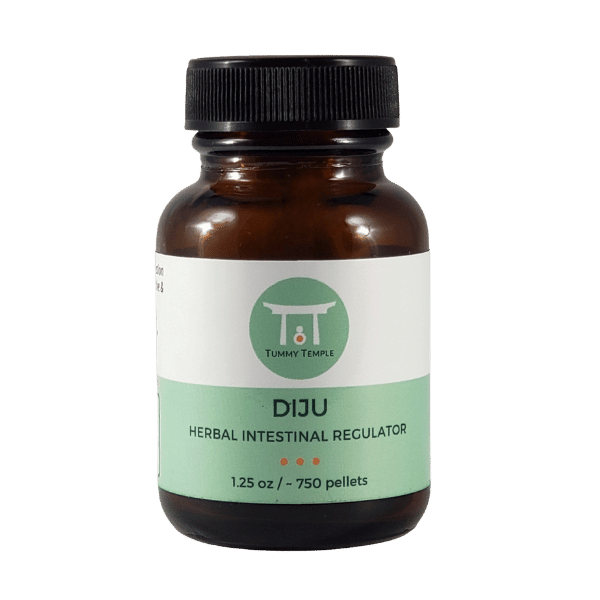
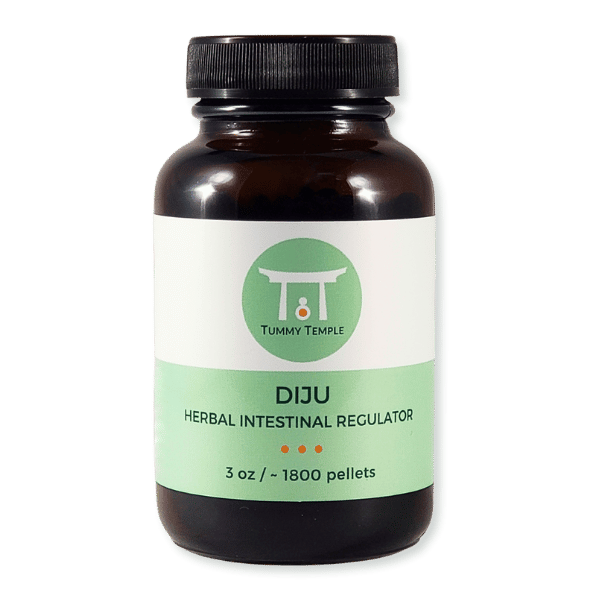
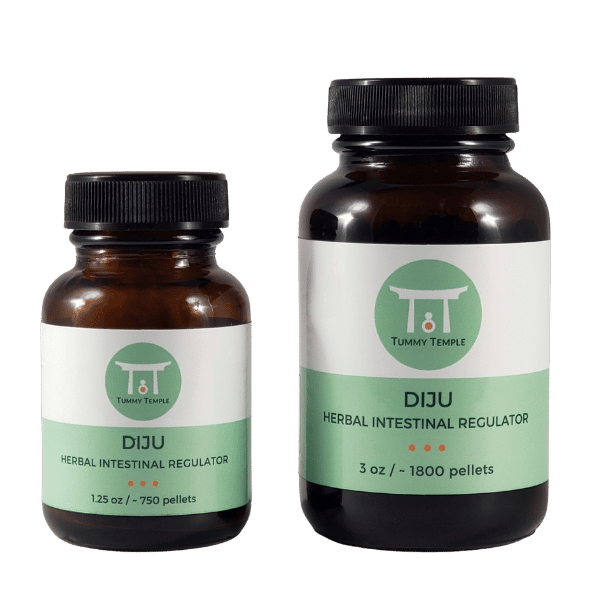
If what you’re looking for is effective natural support that is flexible enough to be used either as daily support or on an as needed basis for stubborn slow digestion, Diju — Temple Natural Health’s herbal formula rooted in Traditional Chinese Medicine — works differently. Diju supports the body’s own digestive processes with a blend of bitter herbs. For more, see How Diju Works and Natural Laxatives: Foods, Habits, and Herbal Options.
The Bottom Line
Five types, five mechanisms: osmotic and saline laxatives pull water into the colon (saline more aggressively); stimulant laxatives trigger the bowel directly; bulk-forming fiber adds gentle bulk over time; and lubricant laxatives ease the path mechanically. Knowing which is which makes it much easier to pick the right tool for the situation.