It's a more interesting question than it seems. Most people assume constipation means not going for several days — but the actual picture is more nuanced than that, because what's "normal" varies quite a bit from person to person.
How Often Should You Go?
In naturopathic medicine, the range considered optimal for healthy adults is anywhere from one to three times a day. Some people go after every meal; others go reliably every morning or perhaps every other day and have done so their whole lives.
What matters more than hitting a particular number is your own baseline. If you typically go twice a day and suddenly go two days without, something has shifted — even if "every other day" falls within the textbook normal range for someone else. Your gut has a rhythm, and constipation is most usefully understood as a departure from your rhythm rather than a failure to meet an arbitrary frequency target.
It's Not Just About Frequency
Frequency is only one part of the picture. Constipation also involves what the stool is like and how it feels to pass it. Hard, dry, lumpy, or pebble-like stool is a sign that things have slowed down and the colon has drawn too much water from the material passing through. Straining, a sense that something is still there after you go, or a feeling of blockage are all part of the picture too.
In fact, you can go every day and still be constipated by these measures — if the stool is consistently hard and difficult to pass, the frequency alone doesn't tell the full story. And conversely, going every other day but passing large, soft, comfortable stool without difficulty is not constipation by any meaningful definition.
So When Is It Actually Constipation?
A practical working definition: constipation is present when bowel movements are noticeably less frequent than your own usual pattern, or when stool is hard and difficult to pass, or when elimination feels incomplete — and especially when more than one of these things is true at once.
Occasional constipation — a day or two off your usual rhythm, usually with an obvious cause like travel, dietary changes, or a stressful week — is extremely common and typically self-resolving. The Constipation Relief: The Ultimate Guide covers what to do when it lingers and when it's worth talking to a doctor. For a closer look at symptoms specifically — including which ones warrant medical attention — Constipation Symptoms: When It's Just Slow and When to See a Doctor goes deeper.
What Tends to Help
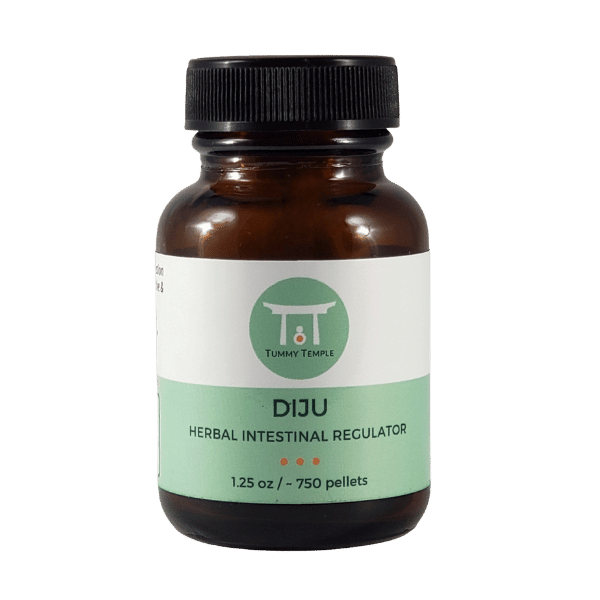
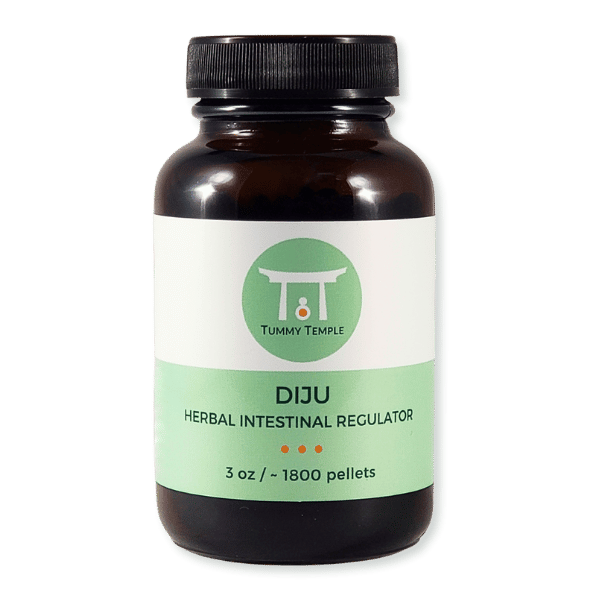
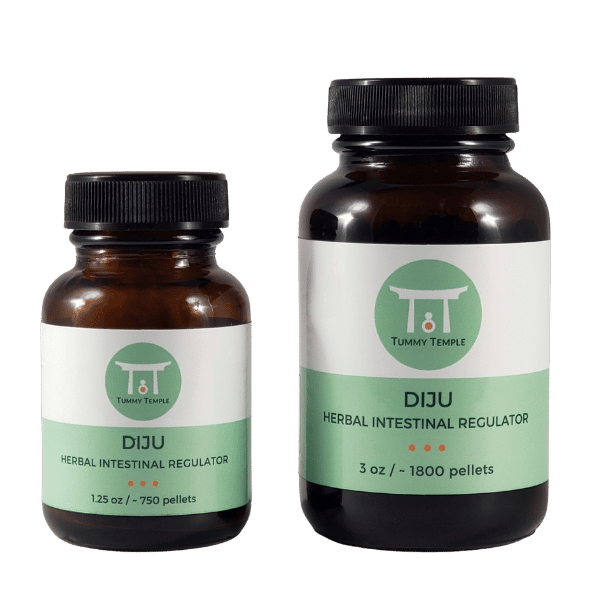
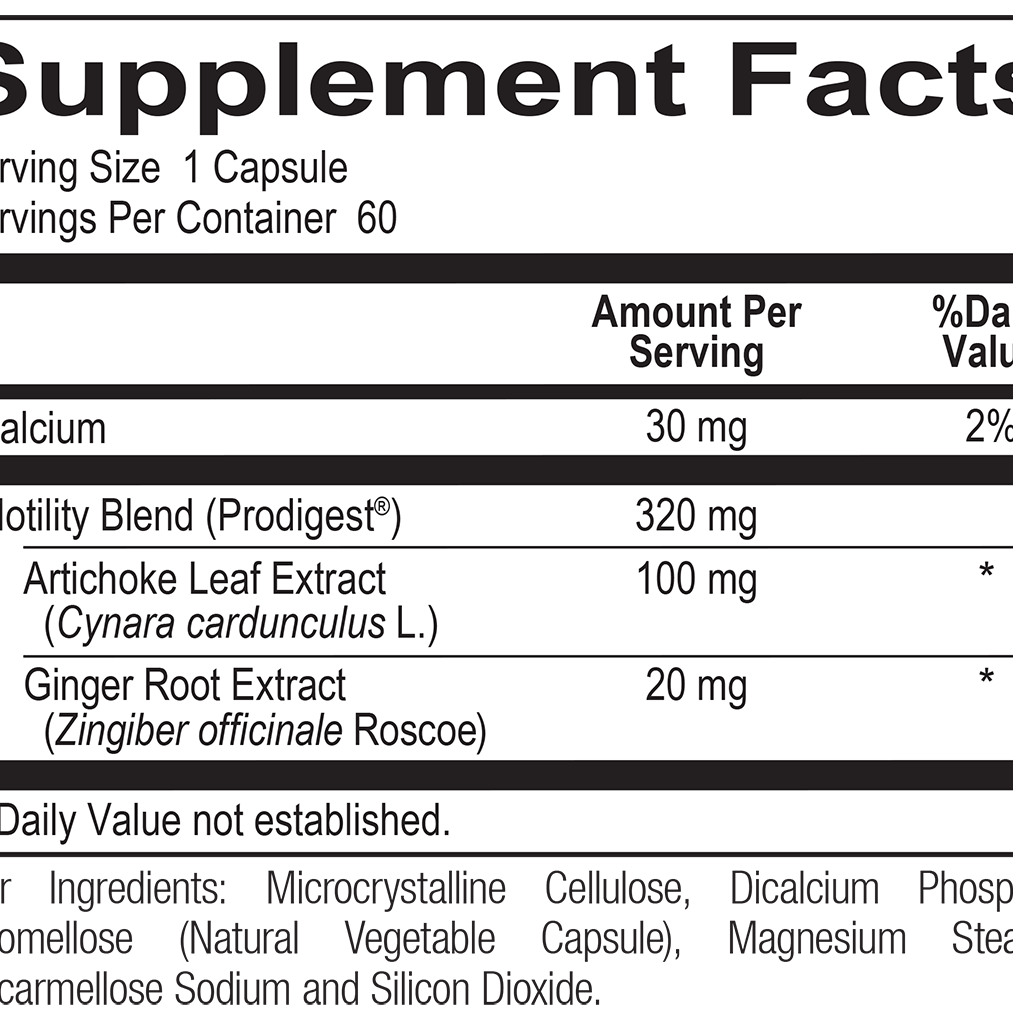
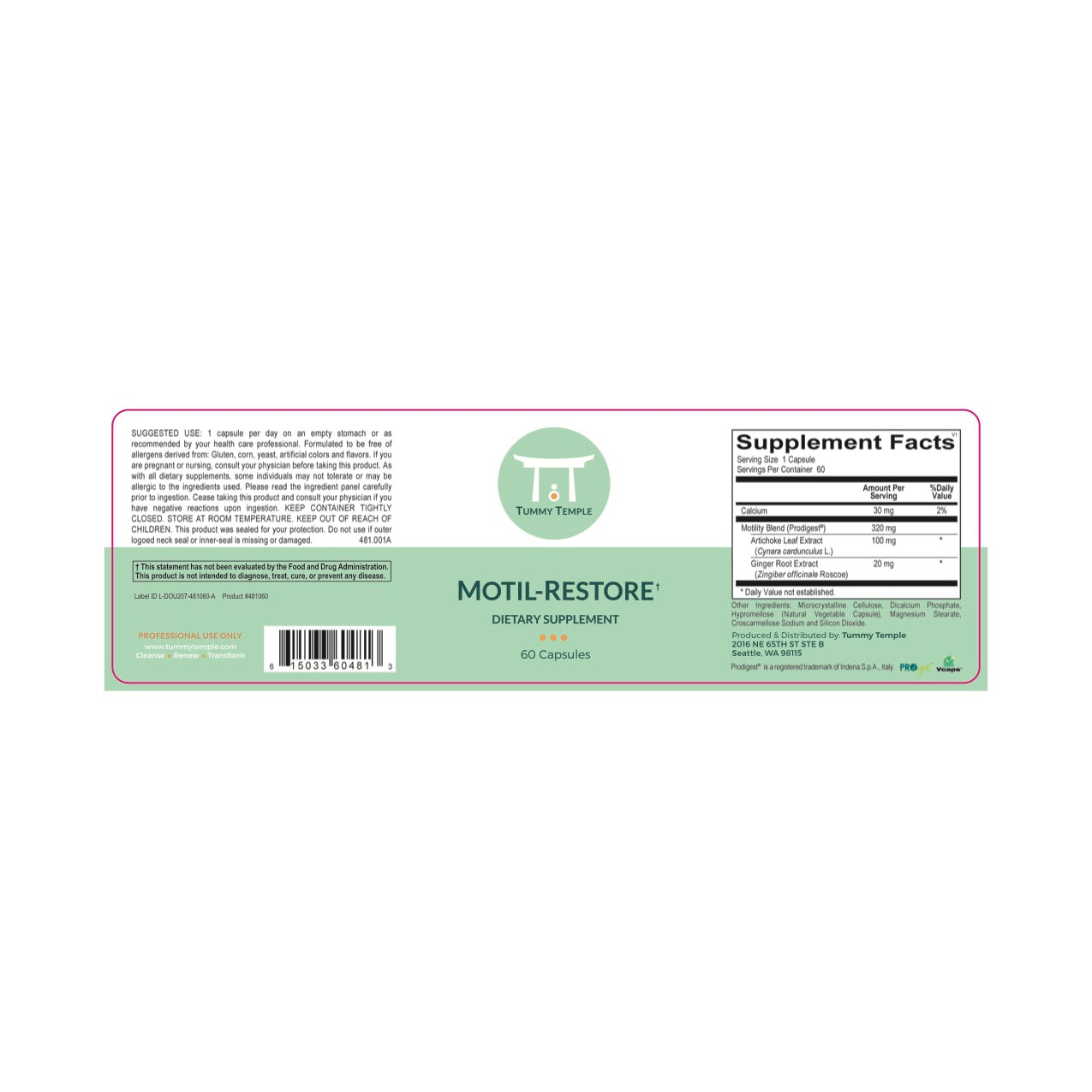
For most cases of occasional constipation, the starting point is the same: more fiber, more water, regular movement, and a consistent routine. If you want additional support, Diju is a Traditional Chinese Medicine inspired herbal formula that supports comfortable, regular elimination and relieves occasional constipation. Natural Approaches to Supporting Regularity covers the full range of dietary, lifestyle, and supplement options in one place.
Bottom Line
Normal bowel frequency can vary — so the number alone rarely tells you much. What matters is your personal baseline, the quality and ease of what you pass, and whether things feel complete. A departure from your usual pattern, especially combined with hard or difficult-to-pass stool, is the more useful signal that something has shifted.