Most people expect constipation to have an obvious cause — a bad day of eating, a long flight, a stressful week. And sometimes it does. But more often, occasional constipation is the result of several smaller things happening at once: not quite enough fiber, not enough water, less movement than usual, a schedule that threw off your routine. No single villain, just a combination of factors that quietly add up.
Understanding the most common triggers can make it a lot easier to figure out what shifted — and what to do about it.
The Most Common Causes of Occasional Constipation
Not Enough Fiber
Fiber is the structural backbone of a well-functioning digestive system. It adds bulk to stool, holds onto water, and helps keep things moving at a steady pace through the colon. Most adults need somewhere between 25 and 35 grams per day, but the average intake is closer to 10 to 15. Diets heavy in processed foods, refined carbohydrates, and animal protein tend to be the lowest in fiber — which is one reason constipation is so common in populations eating a Western-style diet.
High-fiber foods include vegetables, fruits, legumes, whole grains, nuts, and seeds. Swapping even a few processed staples for fiber-rich options can make a noticeable difference.
Not Drinking Enough Water
Your large intestine is constantly drawing water from the material passing through it. When you're not well-hydrated, it draws more — leaving stool drier, harder, and slower to pass. Dehydration doesn't have to be dramatic to affect elimination; even mild, chronic underhydration can be enough to slow things down.
Coffee and alcohol can compound this slightly — both have a mild diuretic effect — though for most people, a cup or two of coffee isn't enough to cause trouble on its own. Total daily fluid intake matters more than any single drink. For more on the connection between what you drink and how your gut functions, take a look at Drinks That Support Healthy Bowel Function.
Too Little Movement
Physical activity does more than burn calories — it stimulates intestinal motility. Movement, especially walking, helps activate the gentle muscular contractions that move material through the digestive tract. Prolonged sitting (a full workday at a desk, a long flight, a stretch of recovery after illness) can noticeably slow things down.
The effect doesn't require intense exercise. Even a 20-minute walk after a meal can support transit. Consistent daily movement tends to be more effective than occasional intense bursts.
A Change in Routine
The gut is, in many ways, a creature of habit. It learns when to expect meals, when to move, when to rest. Disruptions to that routine — travel, irregular sleep, skipping meals, eating at unusual times — can interfere with the timing signals your body relies on to initiate a bowel movement.
Travel is one of the most common constipation triggers, and it combines nearly everything on this list: disrupted schedule, unfamiliar food, dehydration from recycled air, and long stretches of sitting. If that sounds familiar, Why You Get Constipated When You Travel goes deeper on that particular scenario.
Stress
The gut-brain connection is one of the most underappreciated aspects of digestive health. When you're stressed, your body shifts into a sympathetic (fight-or-flight) state — which deprioritizes digestion in favor of more immediate survival functions. This can slow transit time noticeably, even when the stress is relatively minor or short-lived.
For some people, stress reliably precedes a bout of sluggishness. For others, the pattern is subtler. How Stress Affects Digestion and Elimination covers this relationship in more detail.
Ignoring the Urge
When the urge to go arrives and you suppress it — because you're busy, in a meeting, traveling, or just not near a comfortable bathroom — the stool continues to sit in the colon and lose water. It becomes drier and harder to pass by the time you get around to it. Repeatedly ignoring the urge can also blunt it over time, making it easier to miss the signal altogether.
For many people, creating a consistent, unhurried morning routine around elimination is one of the simplest things they can do for regularity.
Less Common But Worth Knowing About
Hormonal Shifts
Hormonal fluctuations can affect gut motility in meaningful ways. Many people notice that elimination slows in the days before a menstrual period, due to rising progesterone levels. Thyroid function also plays a role — hypothyroidism (underactive thyroid) is a well-established cause of sluggish digestion and is worth discussing with a doctor if constipation is persistent and unexplained.
Medications
A number of common medications list constipation as a known side effect — including certain pain relievers (especially opioids), some antidepressants, antacids that contain calcium or aluminum, iron supplements, and others. If you've noticed a change in elimination that coincides with starting a new medication, that's worth mentioning to your prescribing doctor. Medications That Can Cause Constipation has a broader overview of this.
Age
The gut tends to slow with age. Older adults are also statistically more likely to be taking multiple medications, to be less physically active, and to have a diminished sense of thirst — all of which compound the risk. Constipation is one of the most common digestive complaints in adults over 65, and it's rarely due to any single cause.
Why It's Usually More Than One Thing
Constipation tends to arrive when several smaller factors stack up at once. Consider a typical travel scenario: you've disrupted your sleep schedule, spent hours sitting on a plane, eaten food you wouldn't normally eat, haven't been drinking enough water, and you're stressed about the trip. Any one of those factors on its own might not cause a problem — together, they can shut things down for a few days.
What Tends to Help
For most cases of occasional constipation, the foundation is unglamorous but reliable: more fiber, more water, more movement, and a consistent routine. Foods That Support Healthy Elimination is a good practical starting point on the dietary side. If stress is a contributing factor, addressing that — however you manage it best — tends to have a direct effect on gut function.
If medications are involved, talk to your doctor before making any adjustments. And if constipation is persistent, unexplained, or accompanied by other symptoms, a conversation with a healthcare provider is a smart step.
Where an Herbal Option Fits In
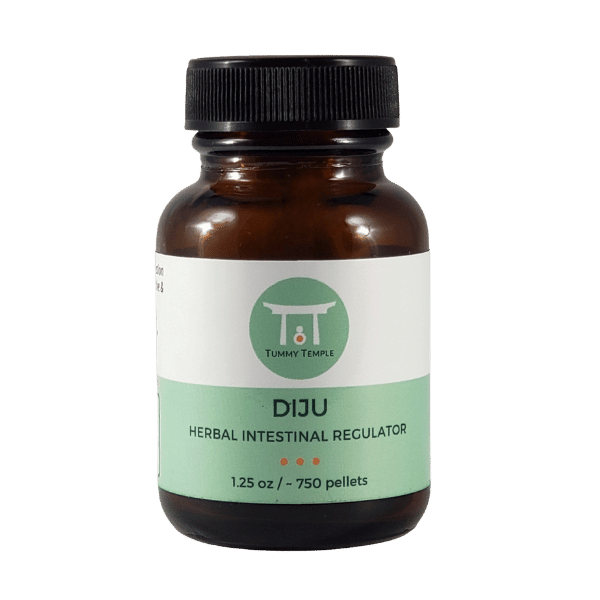
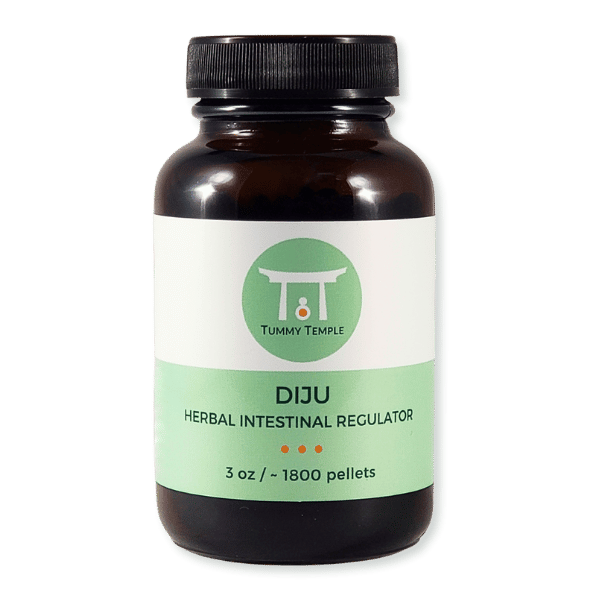
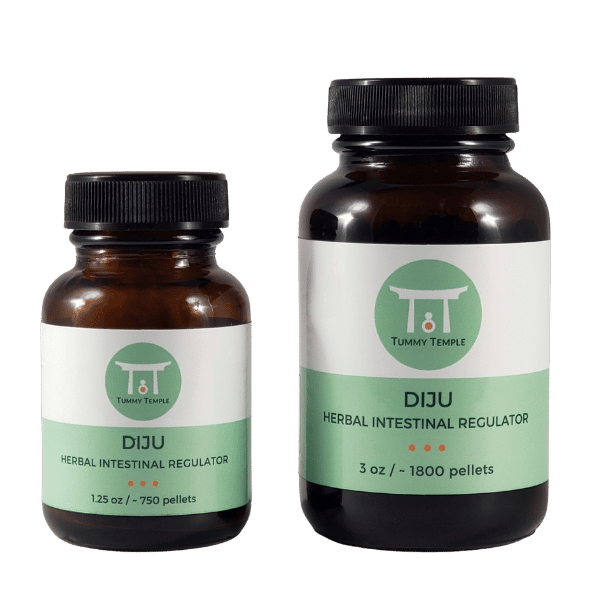
For those looking for effective digestive support, there are herbal options with a long history of use in traditional medicine. Diju is one of them — a botanical formula inspired by Traditional Chinese Medicine, combining bitter herbs that have traditionally been used to support digestive function and encourage comfortable, regular elimination.
For a fuller look at diet, lifestyle, and natural supplement approaches together, Natural Approaches to Supporting Regularity covers the broader picture.
Bottom Line
Occasional constipation rarely has a single cause — it's usually a combination of diet, hydration, movement, routine, and stress factors that happen to overlap. Identifying which of those are in play for you is often the most useful starting point. From there, even modest changes in a few areas tend to add up.
For a broader overview of constipation — including symptoms, when to see a doctor, and a full range of natural and supplement approaches — visit Constipation Relief: The Ultimate Guide.